Blog
What we know, explained clearly.
Practical advice on electrical installations, maintenance, energy and HVAC for businesses, with photos of real jobs.
Free tool Is your RCD or circuit breaker tripping?Answer two questions to find the most likely causes, what you can check yourself and when to call a technician.Open the assistantMore troubleshooting guides: boiler, air conditioning, water heater, air-to-water heat pump, water…
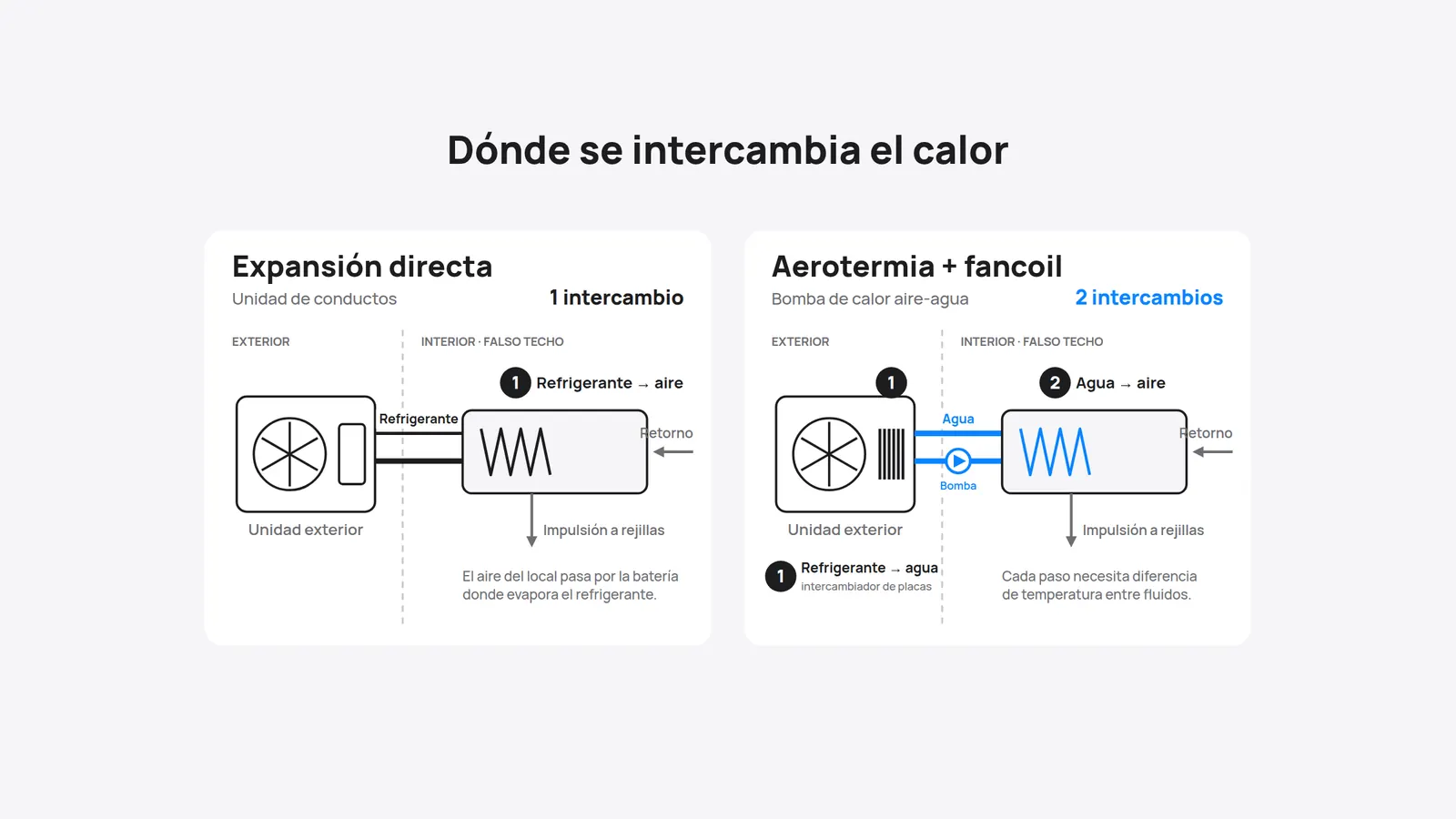
Ducted direct expansion or fan coils with an air-to-water heat pump: why the first usually uses less energy
Both systems are heat pumps with a compressor and refrigerant, but they move heat differently. The ducted unit transfers it from the refrigerant straight to the room air; an air-to-water heat pump with fan coils first passes it through a water circuit. We explain why that usually costs energy, with figures from manufacturers' data sheets, and when the air-to-water option is the better fit.
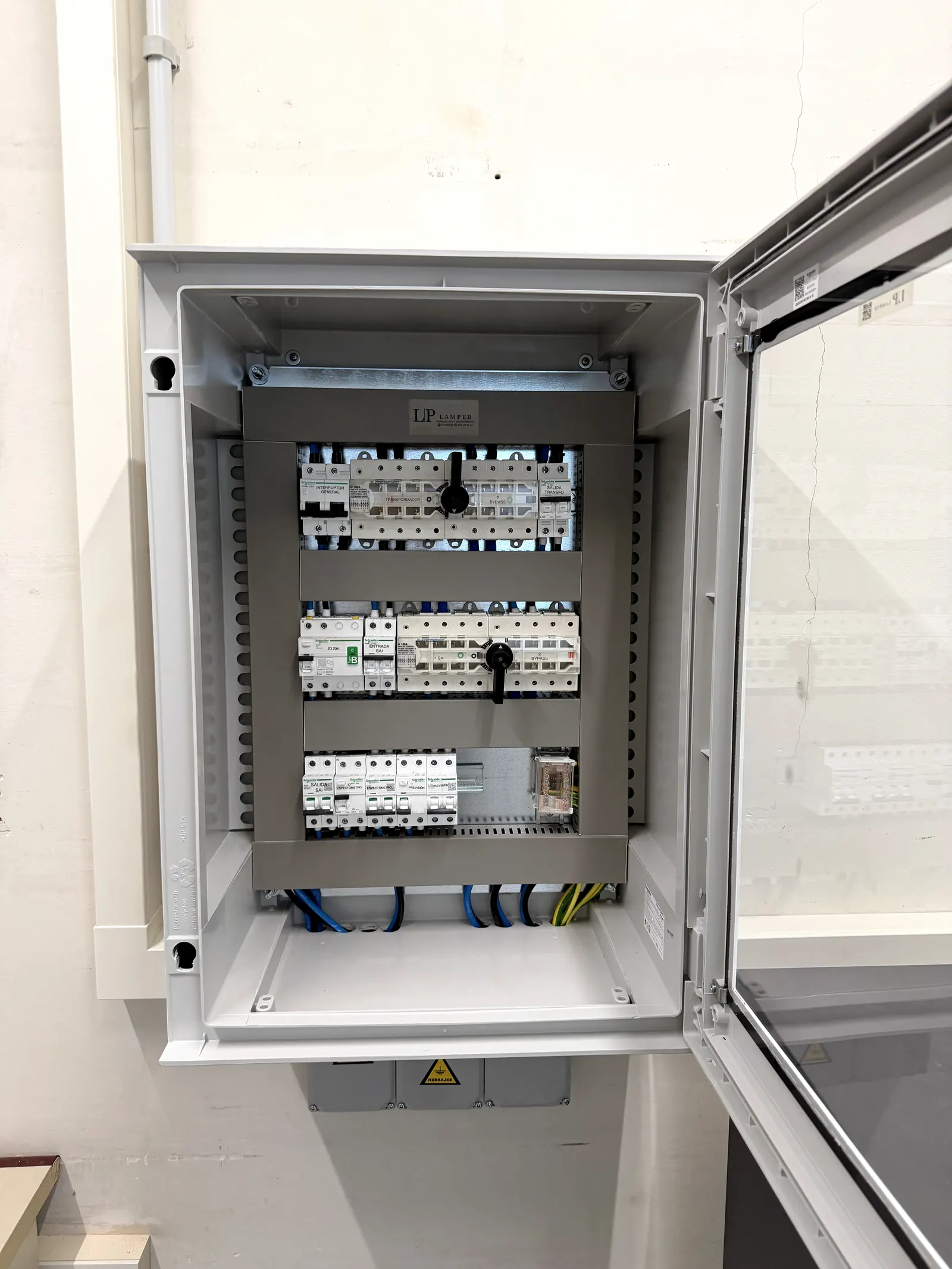
Transient overvoltages in your business: when surge protective devices are needed and what ITC-BT-23 says
A lightning strike far away or a switching operation on the grid can reach the switchboard as a voltage spike lasting microseconds and damage PLCs, variable frequency drives or computers. We explain what transient overvoltages are, when the REBT (Spanish Low Voltage Electrotechnical Regulation) requires the installation to be protected and how to fit protection that actually works.
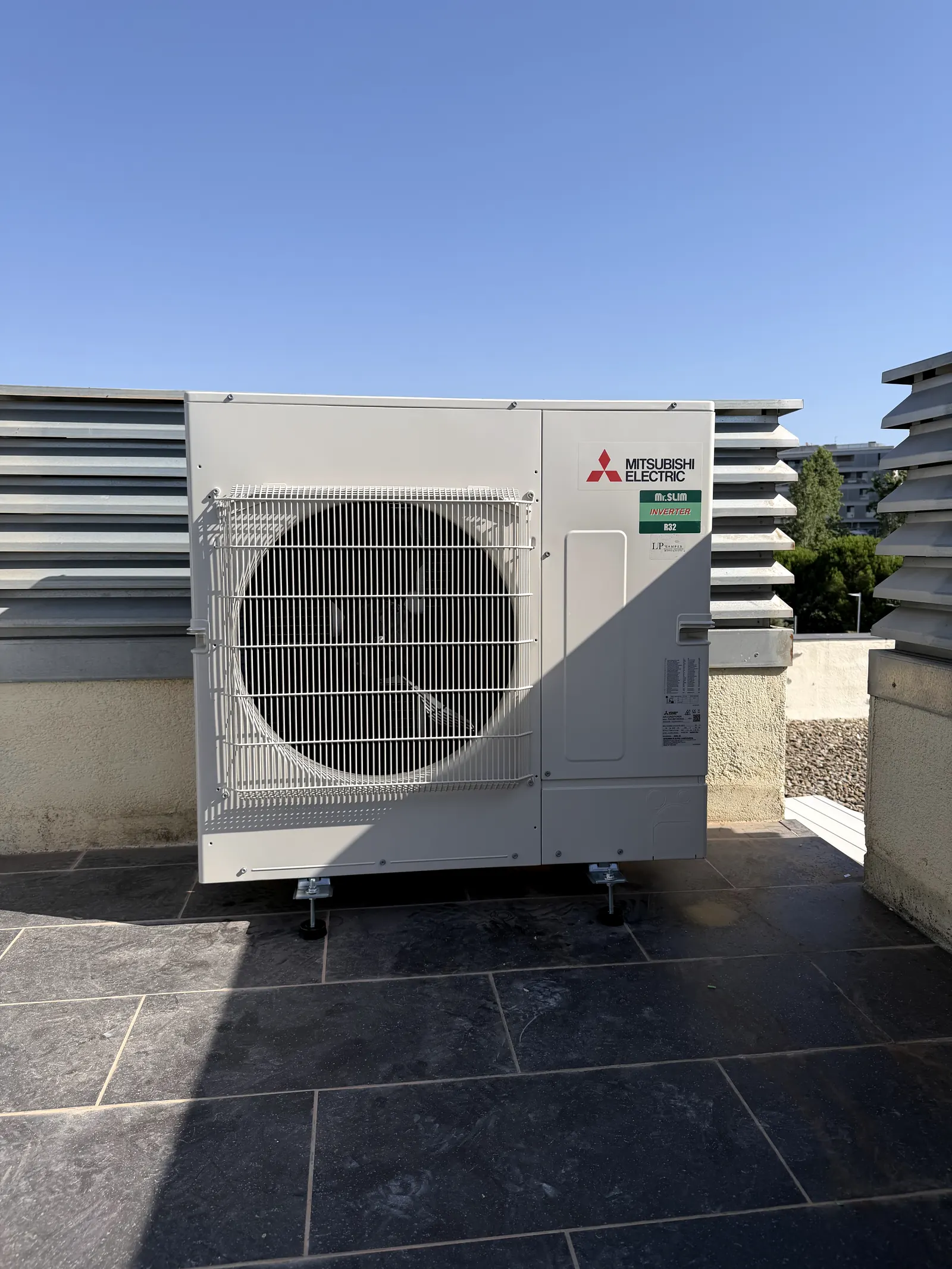
Air-conditioning maintenance in offices, commercial premises and industrial buildings: what the RITE requires
A company's air conditioning and heating should not be checked only when they break down. The Regulation on Thermal Installations in Buildings (RITE) sets out who must maintain them, how often and which records must be kept. We explain it in practical terms.
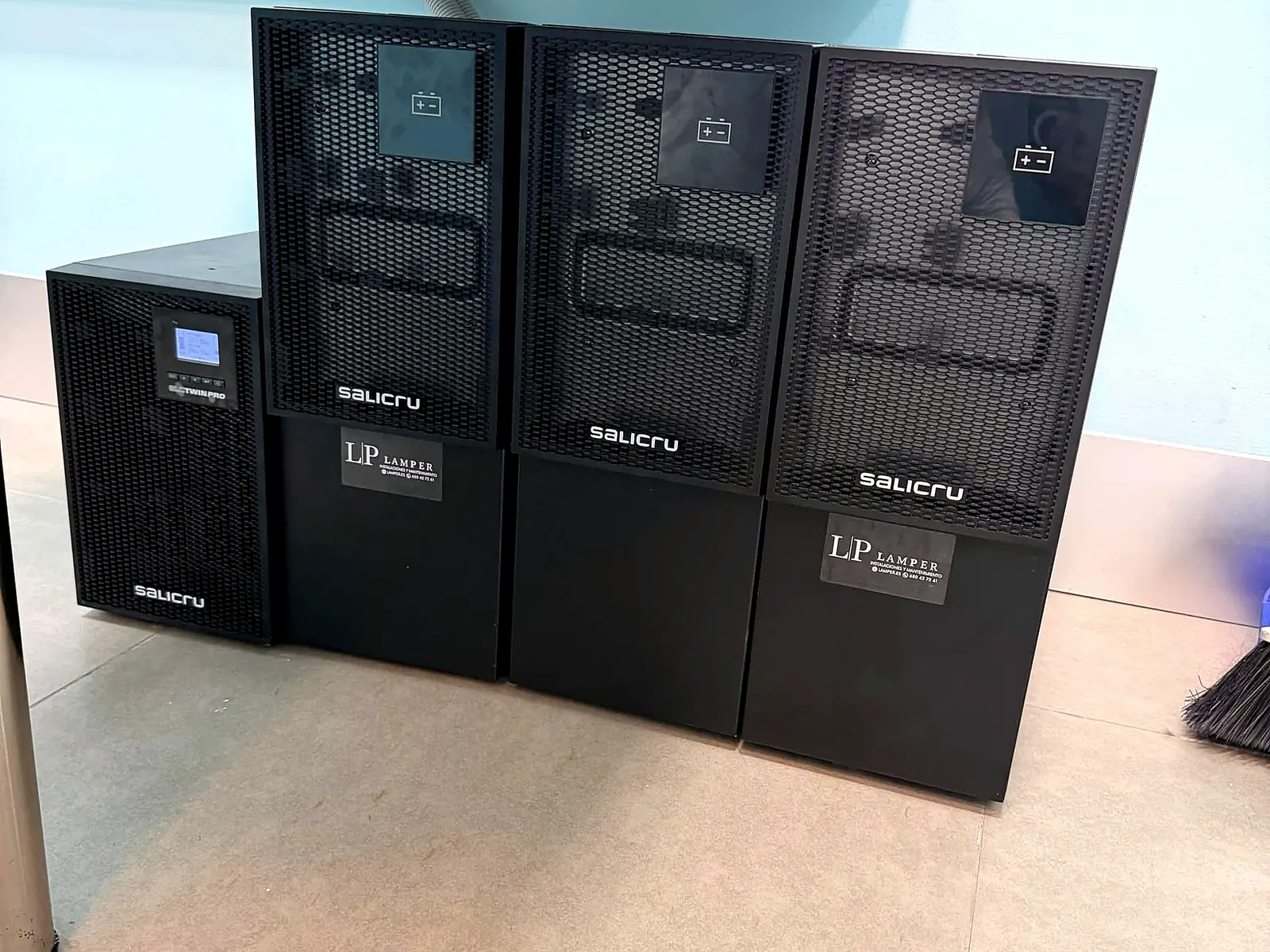
Power cuts at a dental clinic: how we protected the entire clinic with a UPS
A dental clinic in Barcelona was suffering power cuts and could not afford to leave a patient mid-treatment. We explain how we sized and installed a 10 kVA online UPS with its battery modules and maintenance bypass so that operating rooms, treatment rooms, dental chairs, lighting, compressor, suction and computers keep running for around two hours without mains power.
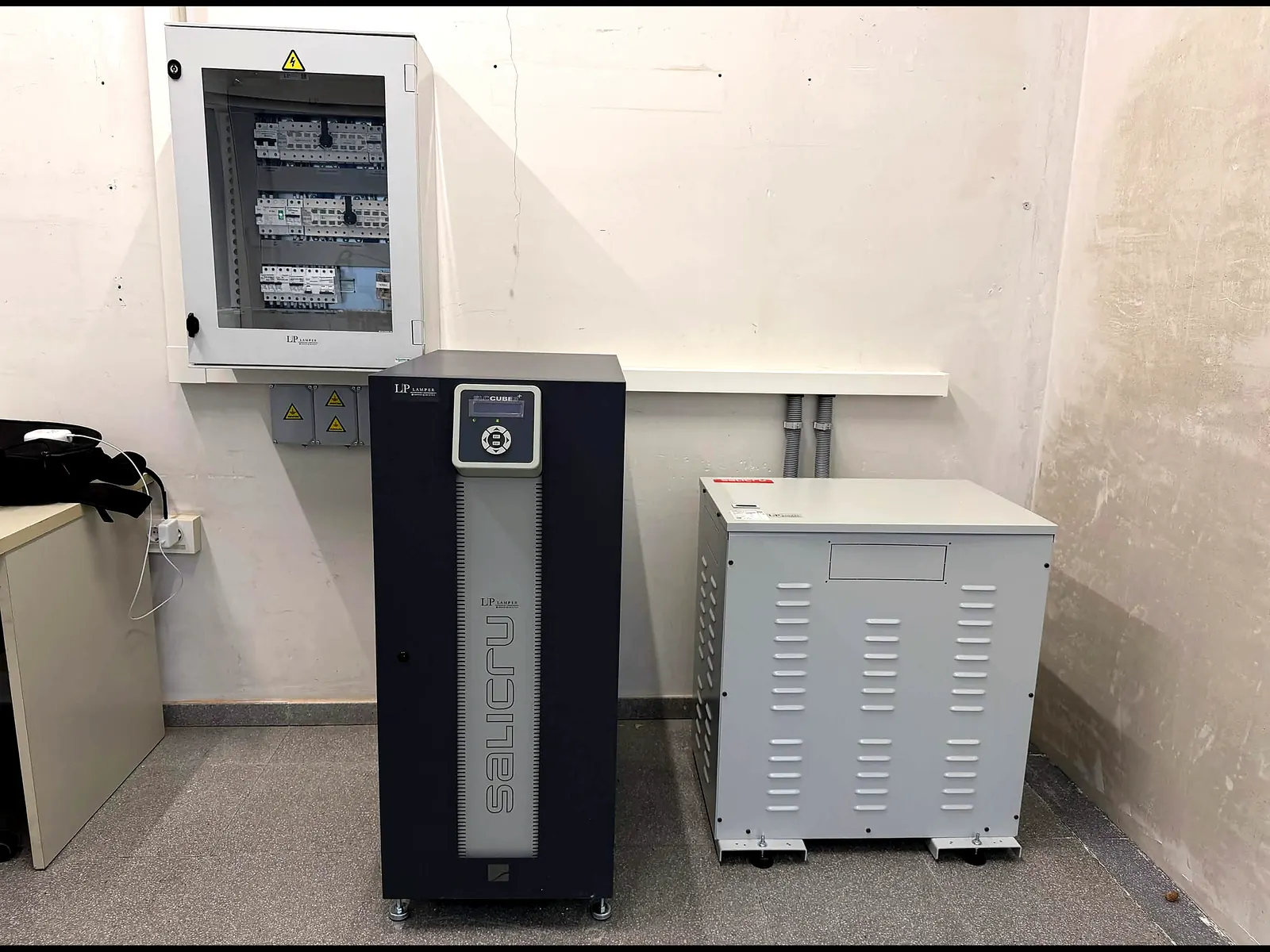
A spectrometer unique in Spain and RCDs that kept tripping: how we gave it a power supply to match
At the Scientific and Technological Centres of the University of Barcelona (CCiTUB), residual current devices were tripping without warning and leaving research equipment out of service. Here is how we designed and installed the dedicated power supply for the ESFOSCAN, an XPS photoelectron spectrometer: galvanic isolation transformer, UPS, changeover switching with bypass, selective protection and independent earthing.
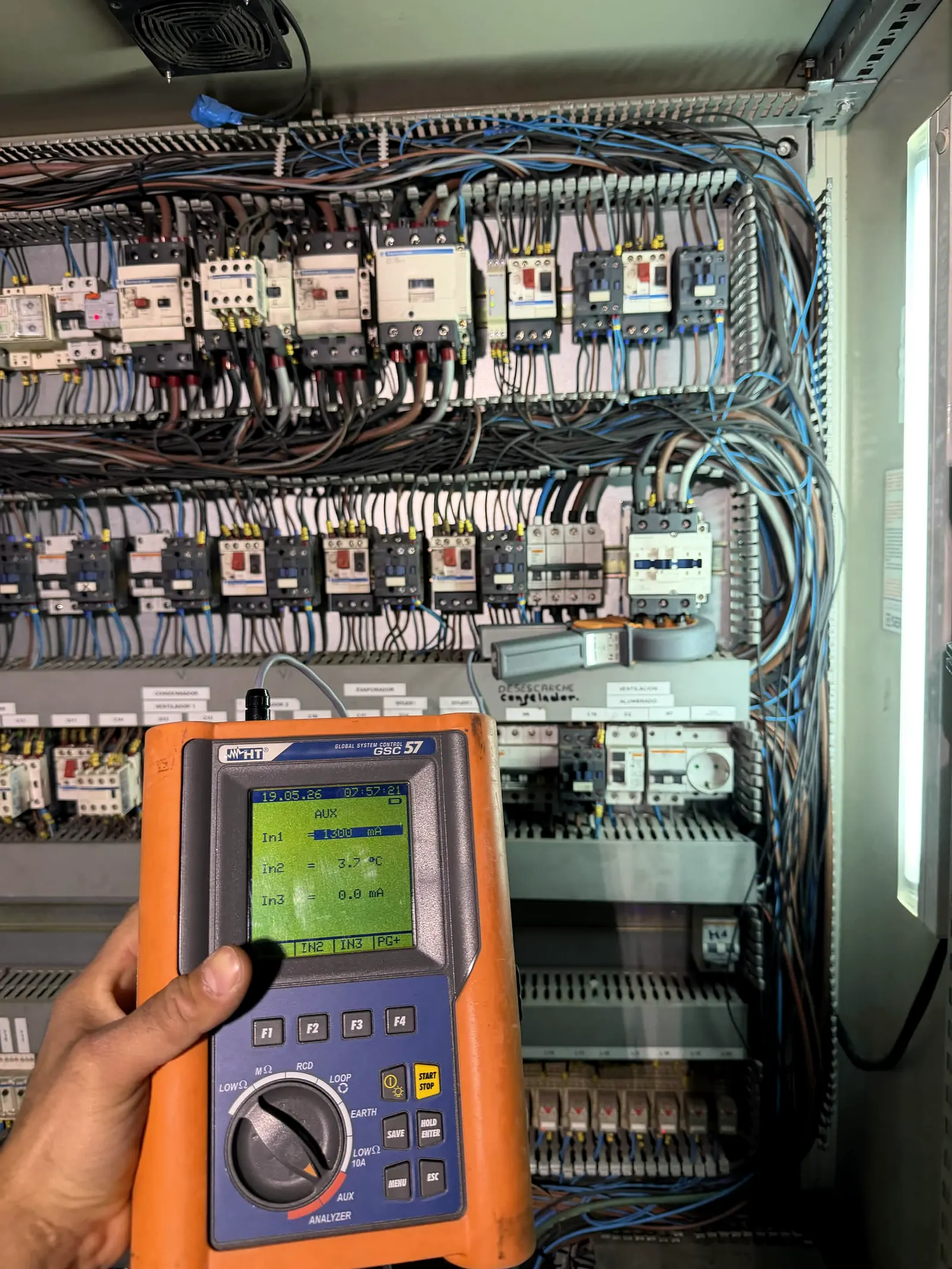
Reactive energy on your company's bill: what it is, why you pay for it and how to correct it
If your industrial unit's electricity bill includes a reactive energy charge, you are paying for consumption that does no useful work. We explain where it comes from, when it is billed under the regulations and how to correct it with a properly sized and maintained capacitor bank.
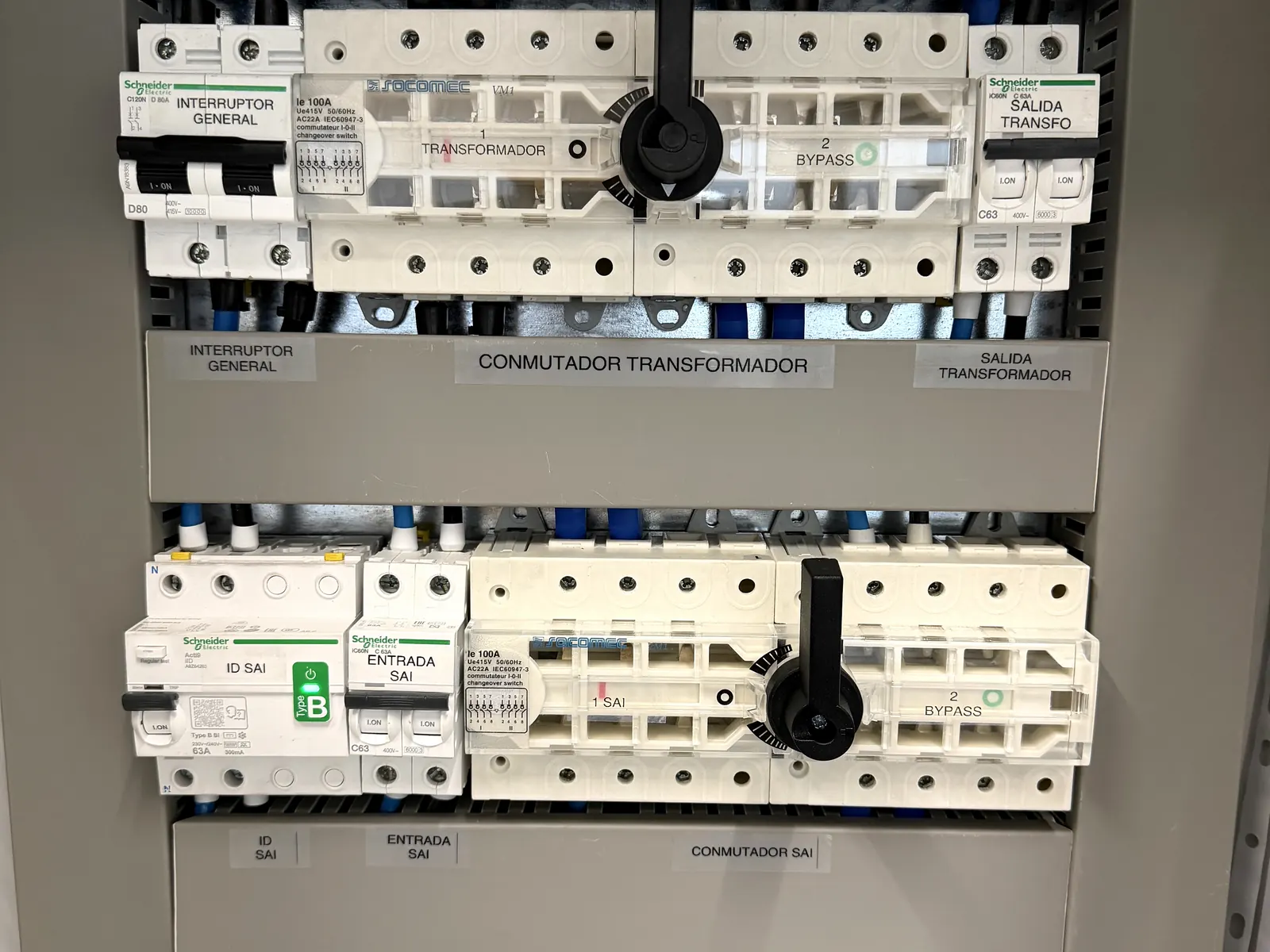
UPS in the workplace: how we build protected power for servers and critical equipment
A UPS isn't much use if the switchboard around it hasn't been properly thought out. Using photos of real installations, we show you how we arrange the input, output and bypass so that critical equipment stays powered, even during maintenance.
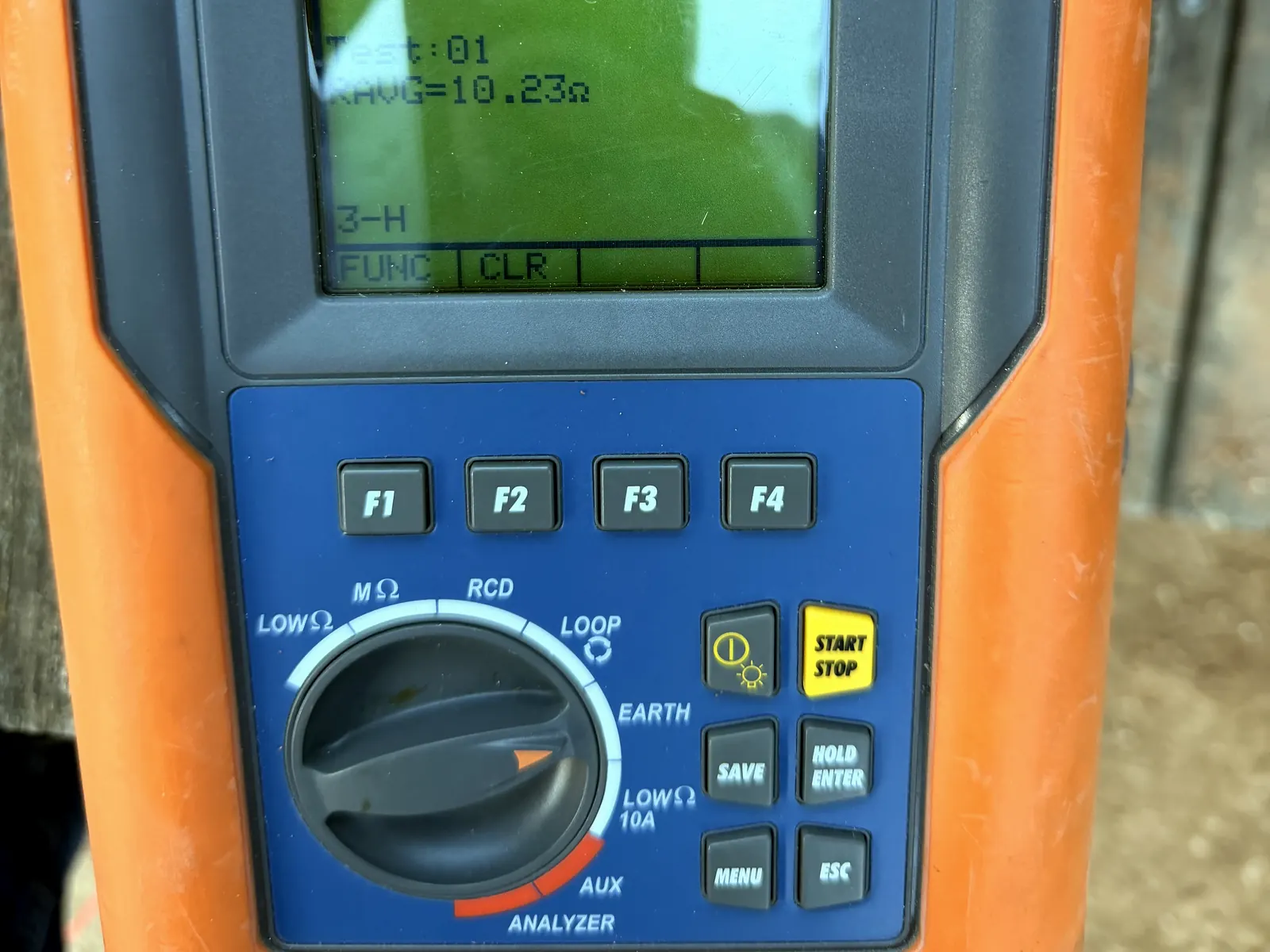
What we measure when we inspect an electrical installation (and what each reading tells you)
Earth, loop impedance, RCDs, insulation and leakage. Using photos of real measurements, we explain what we check during an inspection and why each reading matters for your company's safety.
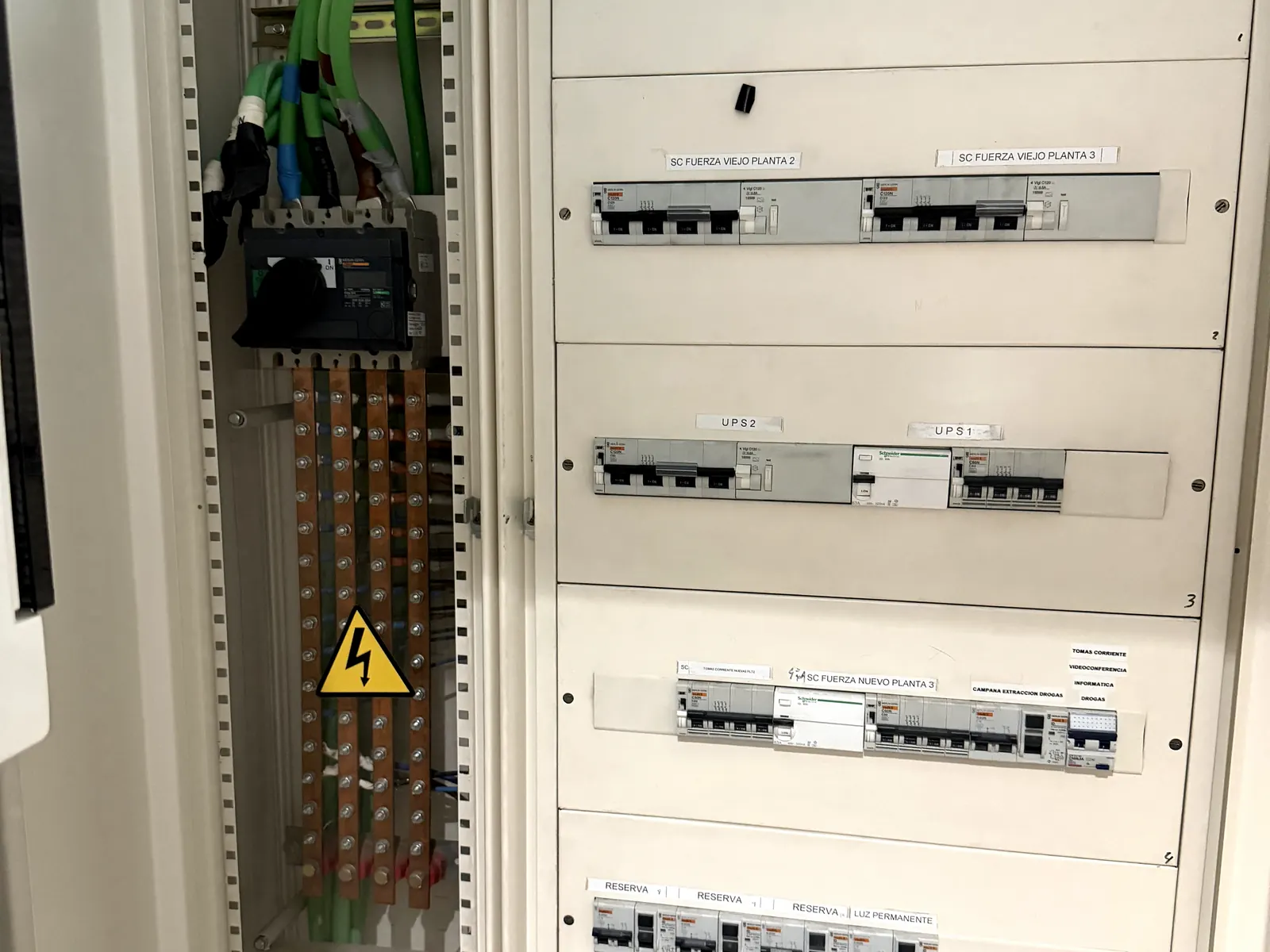
How to recognise a well-built electrical panel: a visual guide with real photos
Labelling, tidy wiring, busbars, correctly set protection devices and spare capacity. What to look at when you open a panel to know whether it's well built, with photos of real panels assembled by our team.
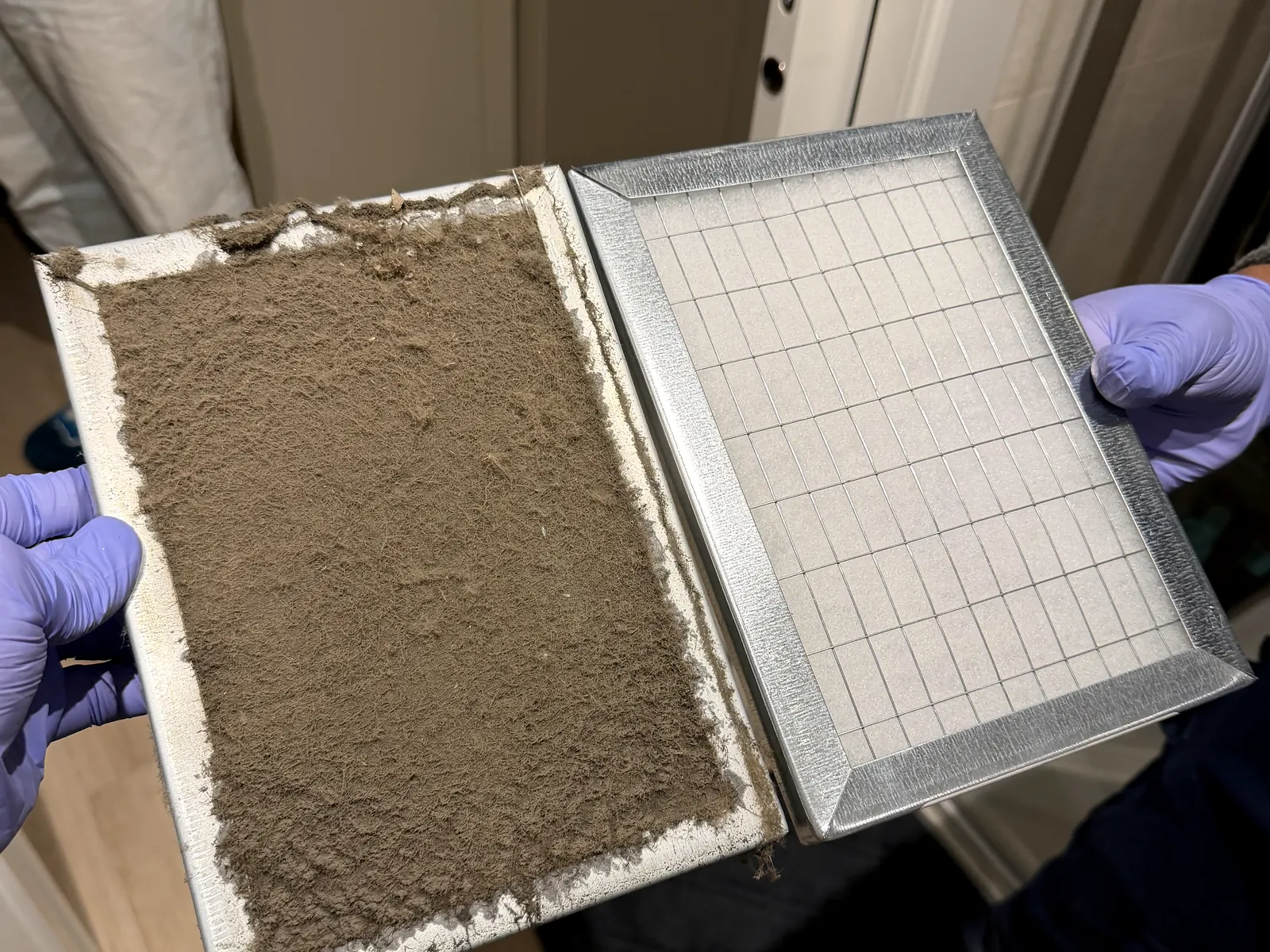
Air conditioning filters: what happens when they are not changed (with real photos)
A dirty filter makes the unit use more energy, cool less and move air less effectively. We show you real filters removed during HVAC maintenance, next to new ones, and explain how often to check them.
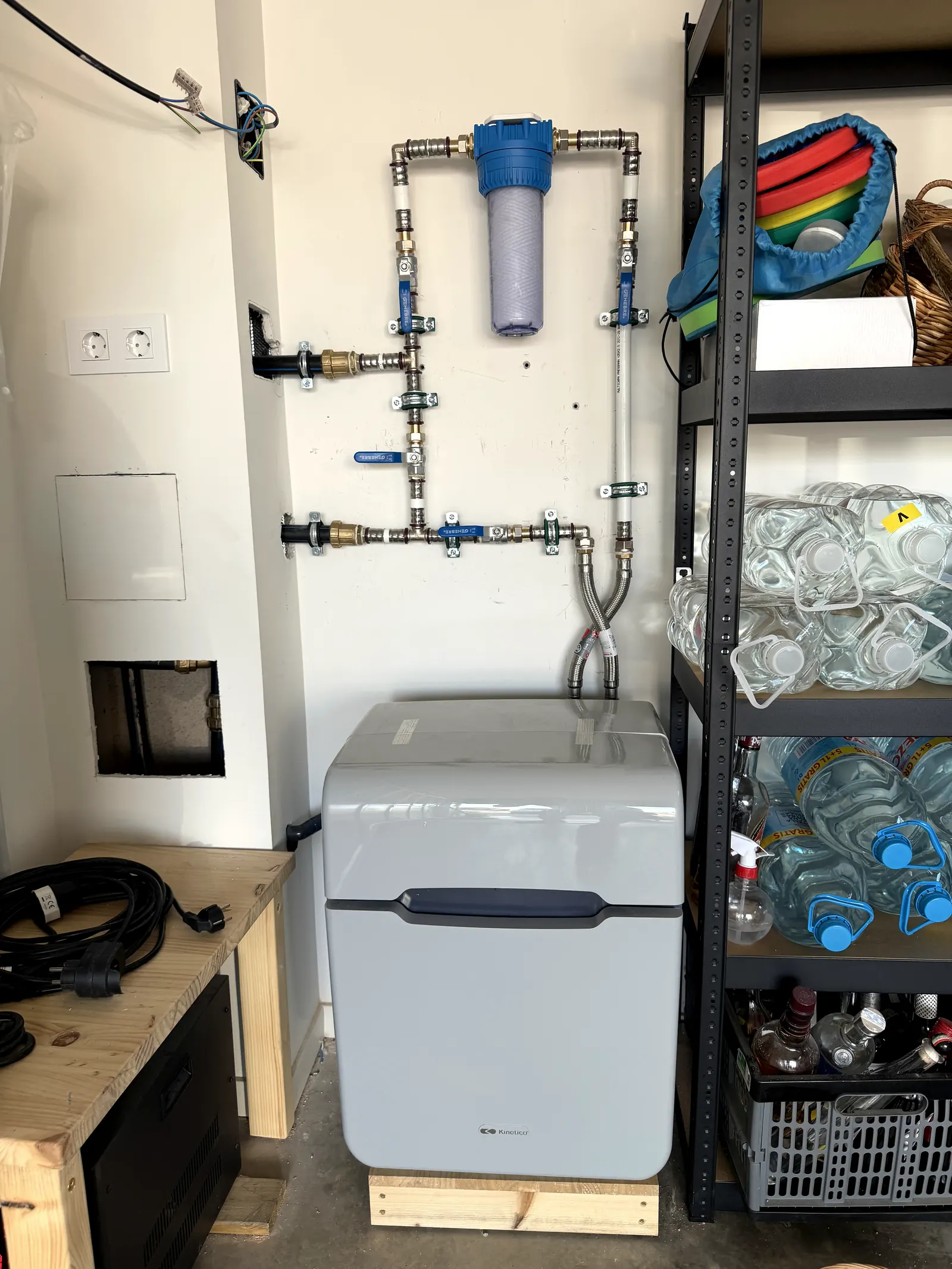
Hard water: how a water softener works and what it needs to last
Limescale damages water heaters, boilers, coffee machines, dishwashers and taps. We explain how a water softener works, why it should have a bypass and a filter, and what maintenance it needs, with photos of real installations.
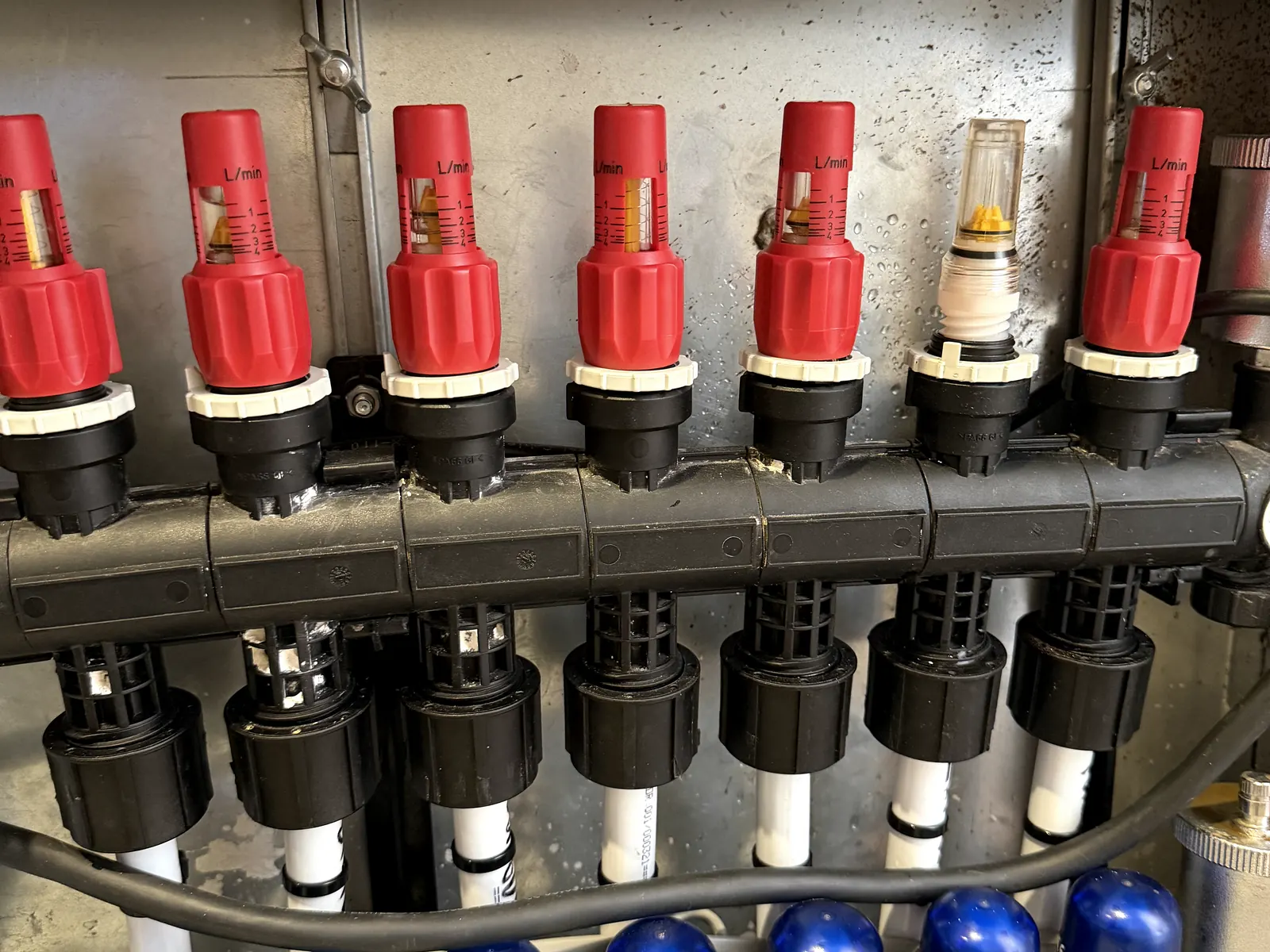
Underfloor heating: the manifold, the flow meters and why it needs balancing
If some areas heat up and others don't, the problem is usually in the manifold. We explain its parts, how it is balanced and what to check, with photos of real installations: from the pipes on the panel to the finished manifold.
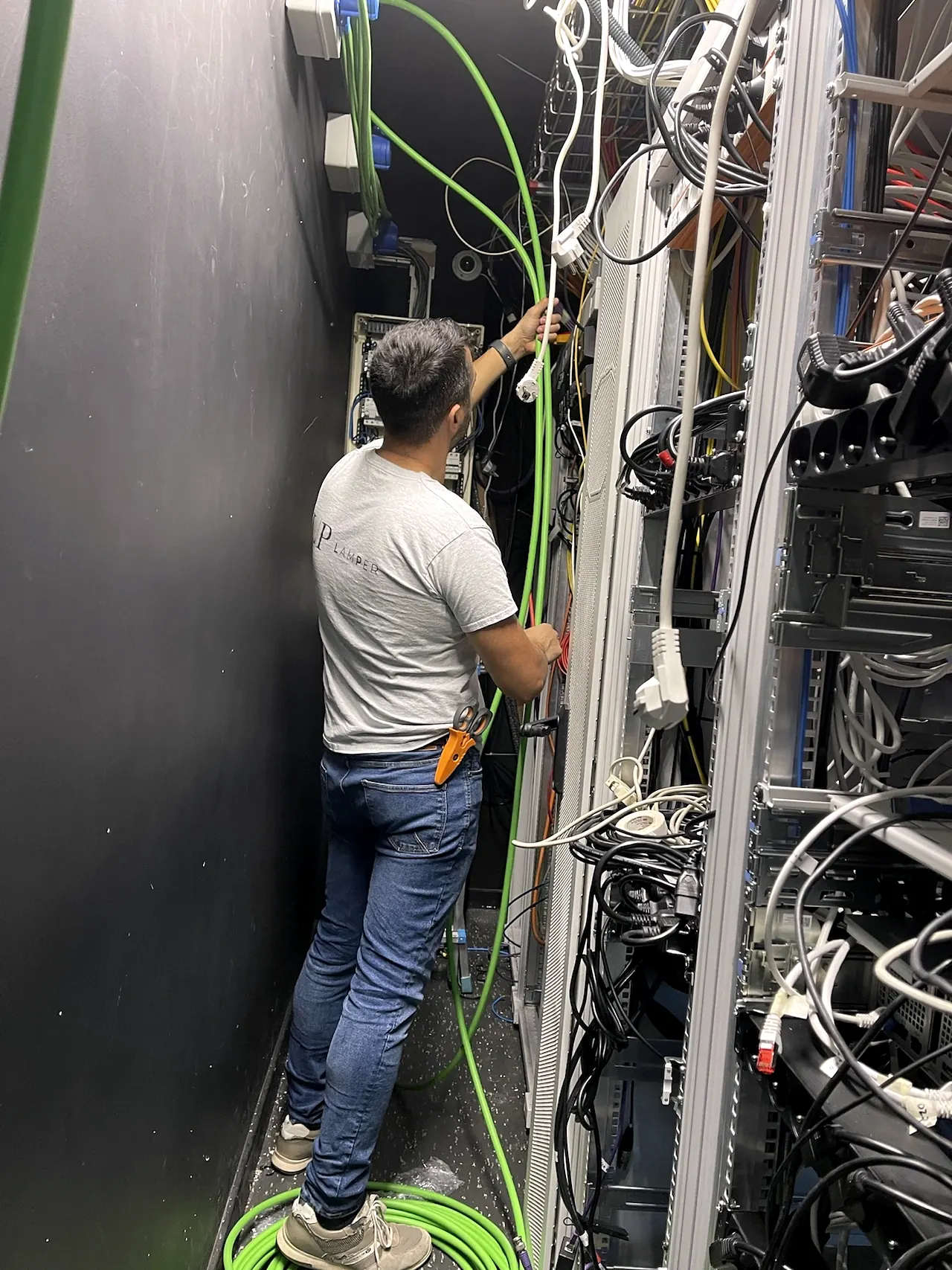
The Christmas shutdown: how to use it for electrical maintenance in your industrial unit
The days when production stops are the best time to check panels, connection tightness and protective devices without stopping anyone. What to prepare now, what to measure before switching off and how to work de-energised safely.
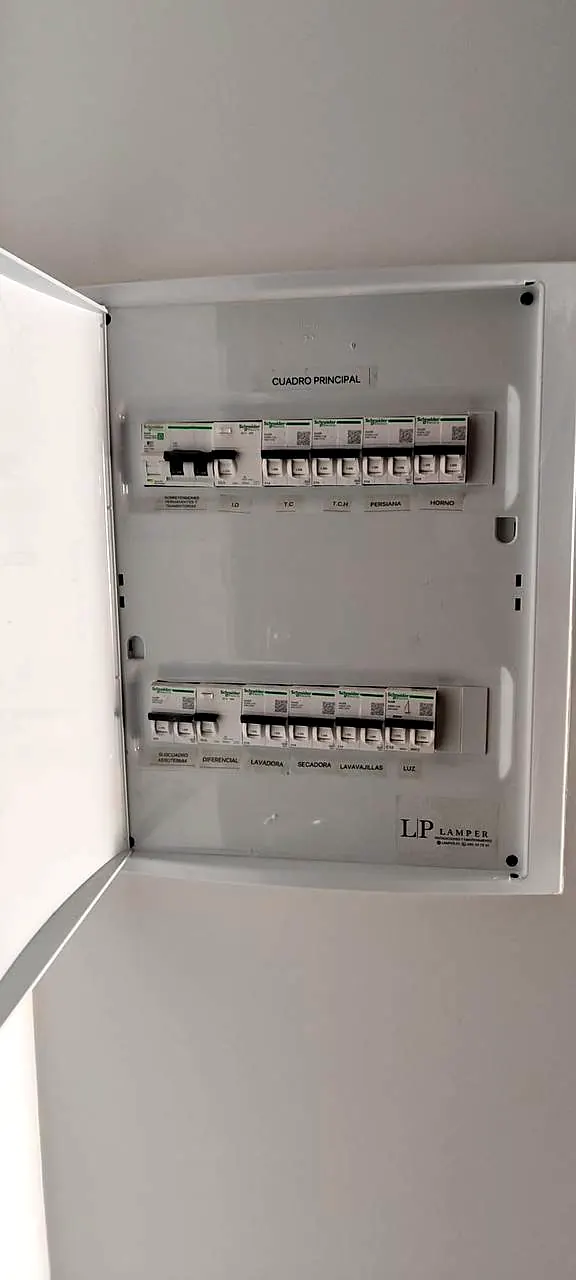
Periodic low-voltage inspection: which installations need it and how to prepare
Many industrial units, premises and shops are required to have their electrical installation inspected every five years. What ITC-BT-05 of the REBT (Spanish Low Voltage Regulation) says, who carries it out and how to get through it without surprises.
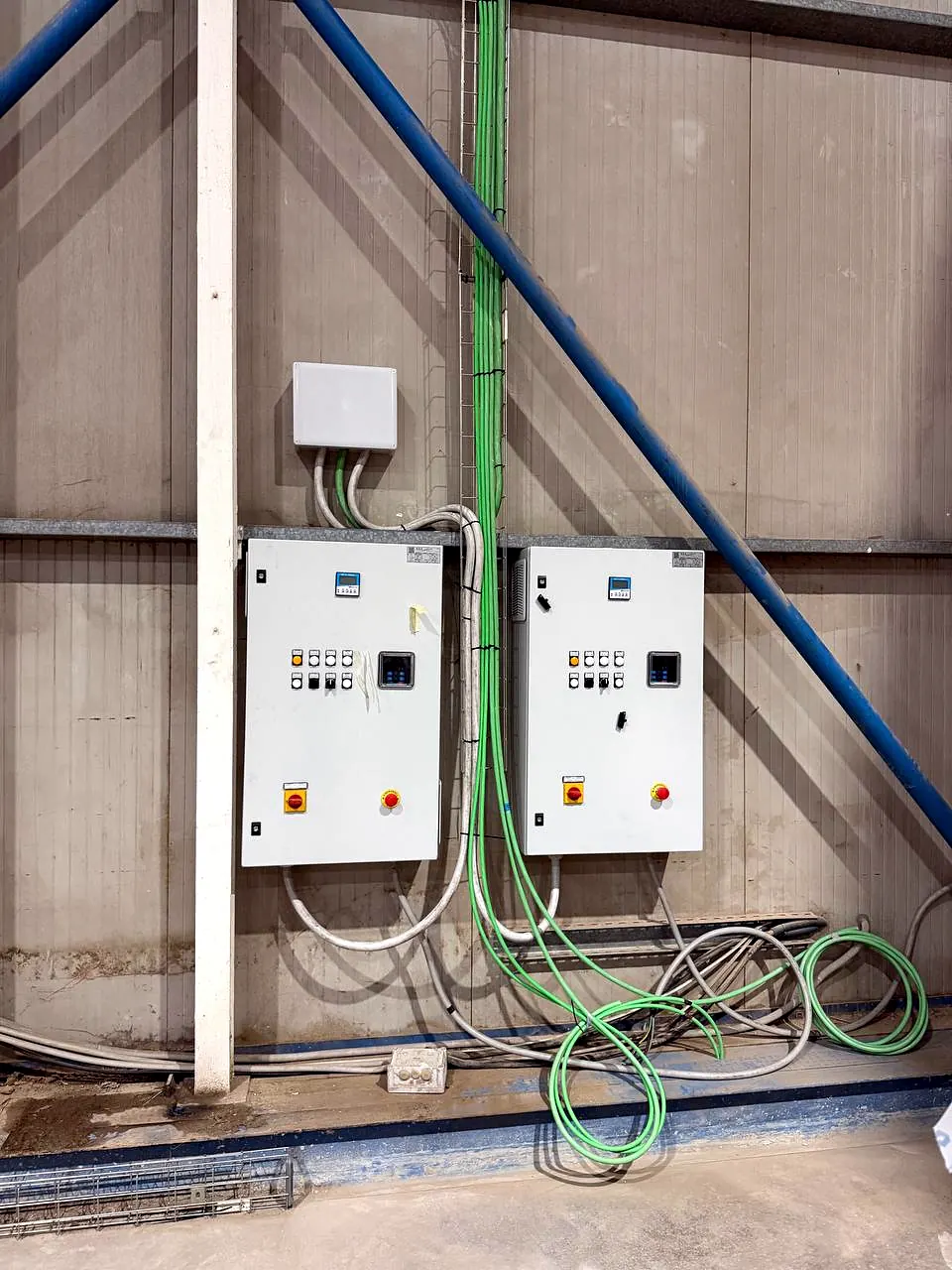
Six signs that the electrical panel in your industrial unit needs a check
Unexplained tripping, a burning smell or a panel that has reached its limit. How to spot a panel that needs attention before it is too late.
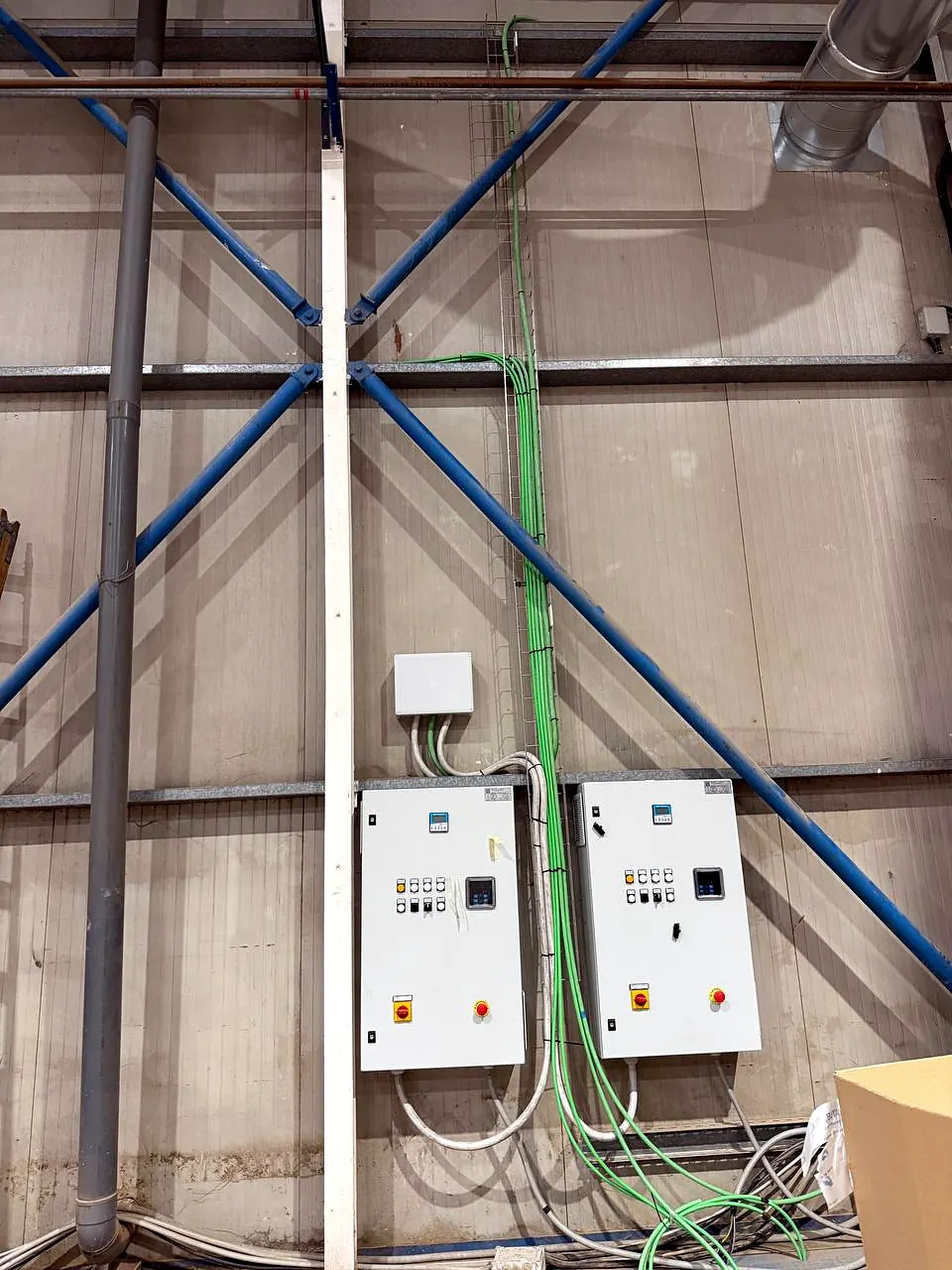
Upgrading the power supply of an industrial unit: how it's done, step by step
A new machine, an extra line or a bigger compressor. What a power upgrade involves and how to stop the paperwork holding up your project.
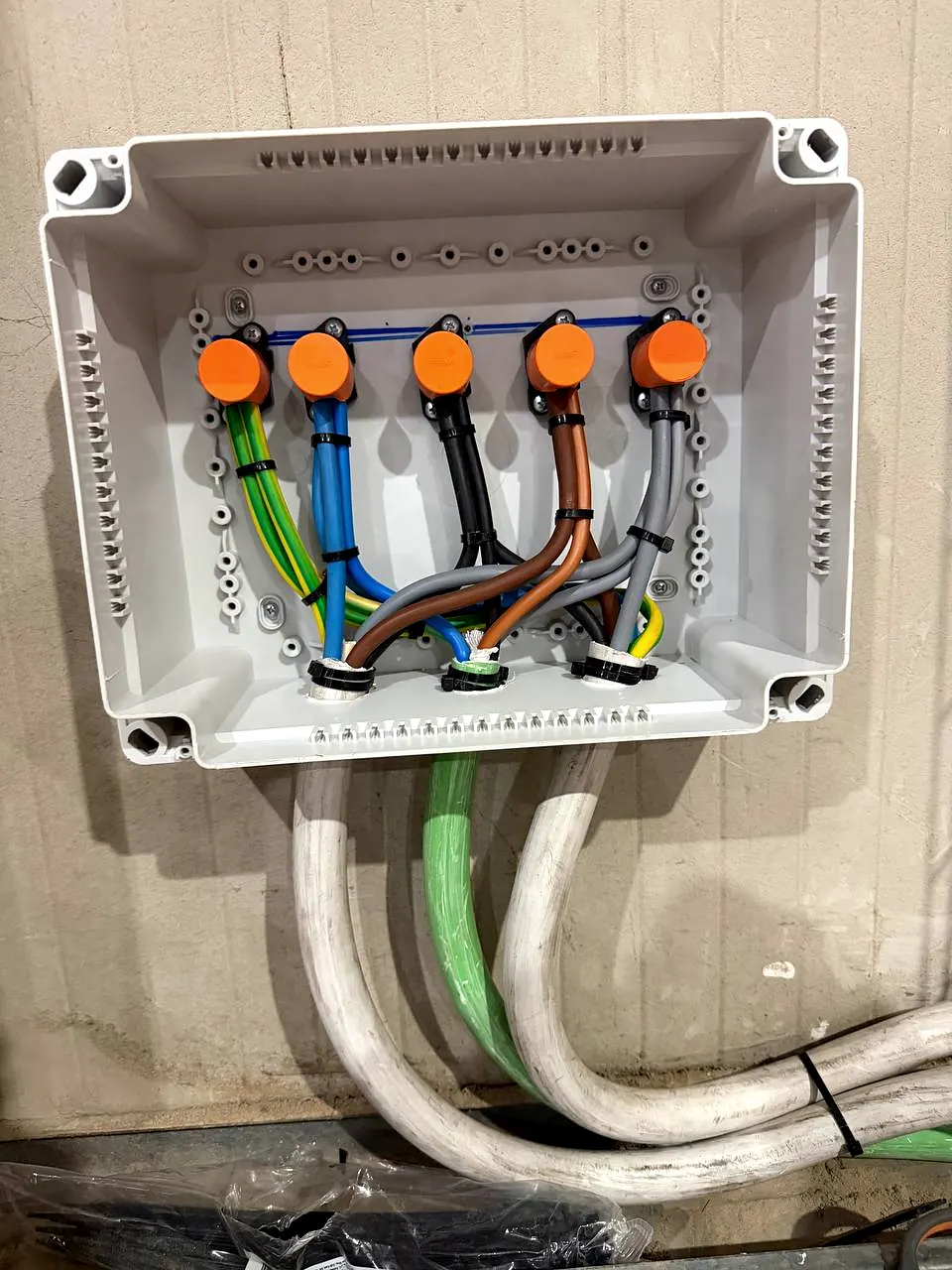
Preventive electrical maintenance: what a yearly check saves you
Why a periodic check costs far less than downtime, what it includes and what the regulations say about inspections.
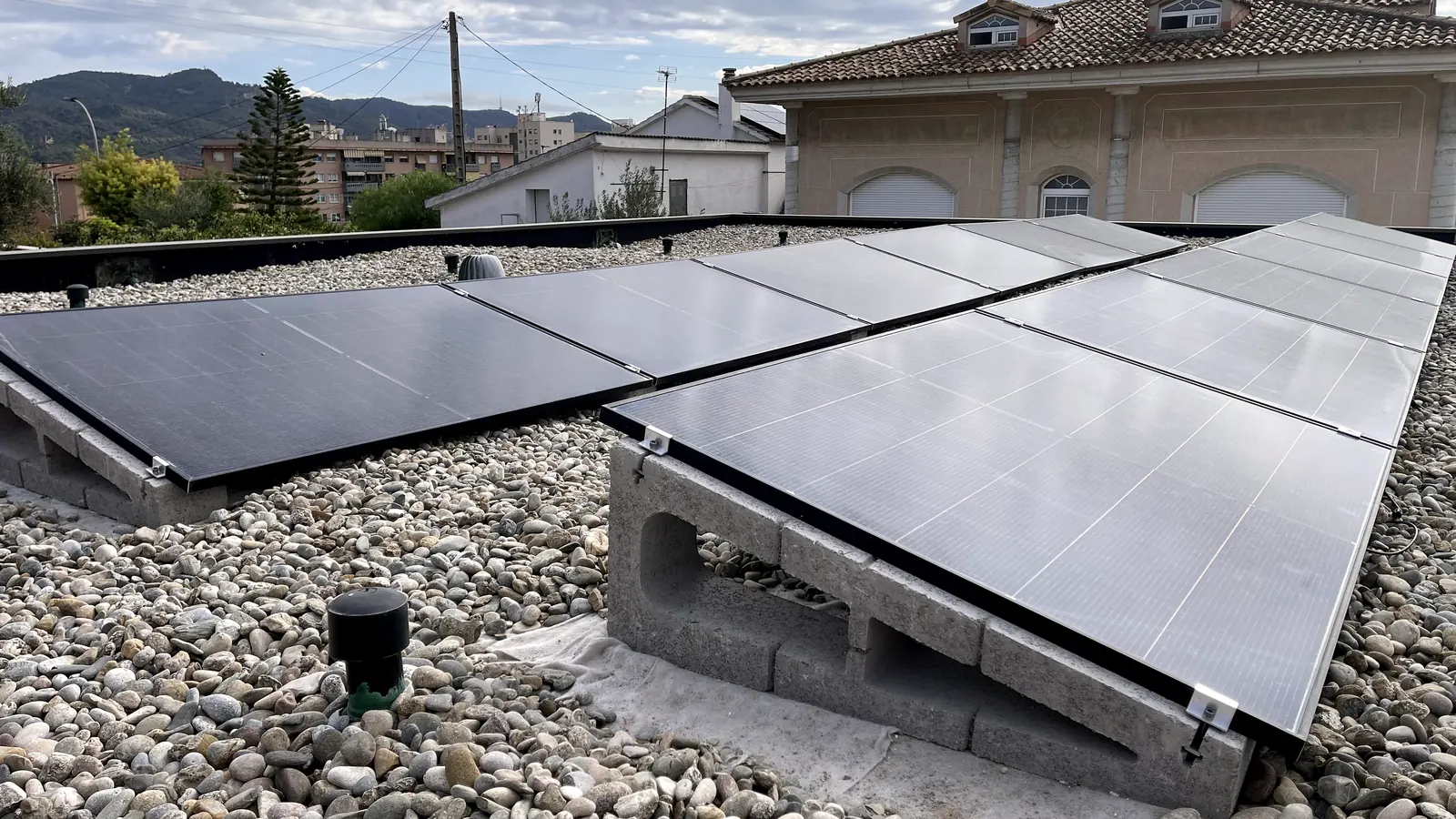
Solar self-consumption for businesses: when it makes sense
Businesses use energy during the day, exactly when the panels are producing. The keys to knowing whether your roof can become an investment.
Contact
Let's talk about your next project.
680 42 72 61Monday to Friday, 8:00 to 17:00. Carrer de Núria, 97, local, Terrassa.