Blog ·
What we measure when we inspect an electrical installation (and what each reading tells you)
Earth, loop impedance, RCDs, insulation and leakage. Using photos of real measurements, we explain what we check during an inspection and why each reading matters for your company's safety.
An electrical installation can run for years without any sign that something is wrong. Lights coming on and machines starting does not mean that, if a fault occurs tomorrow, the protective devices will work as they should. To know, you have to measure.
These are the checks we carry out during a test, with photos of real measurements taken by our team.
The tool: a multifunction tester
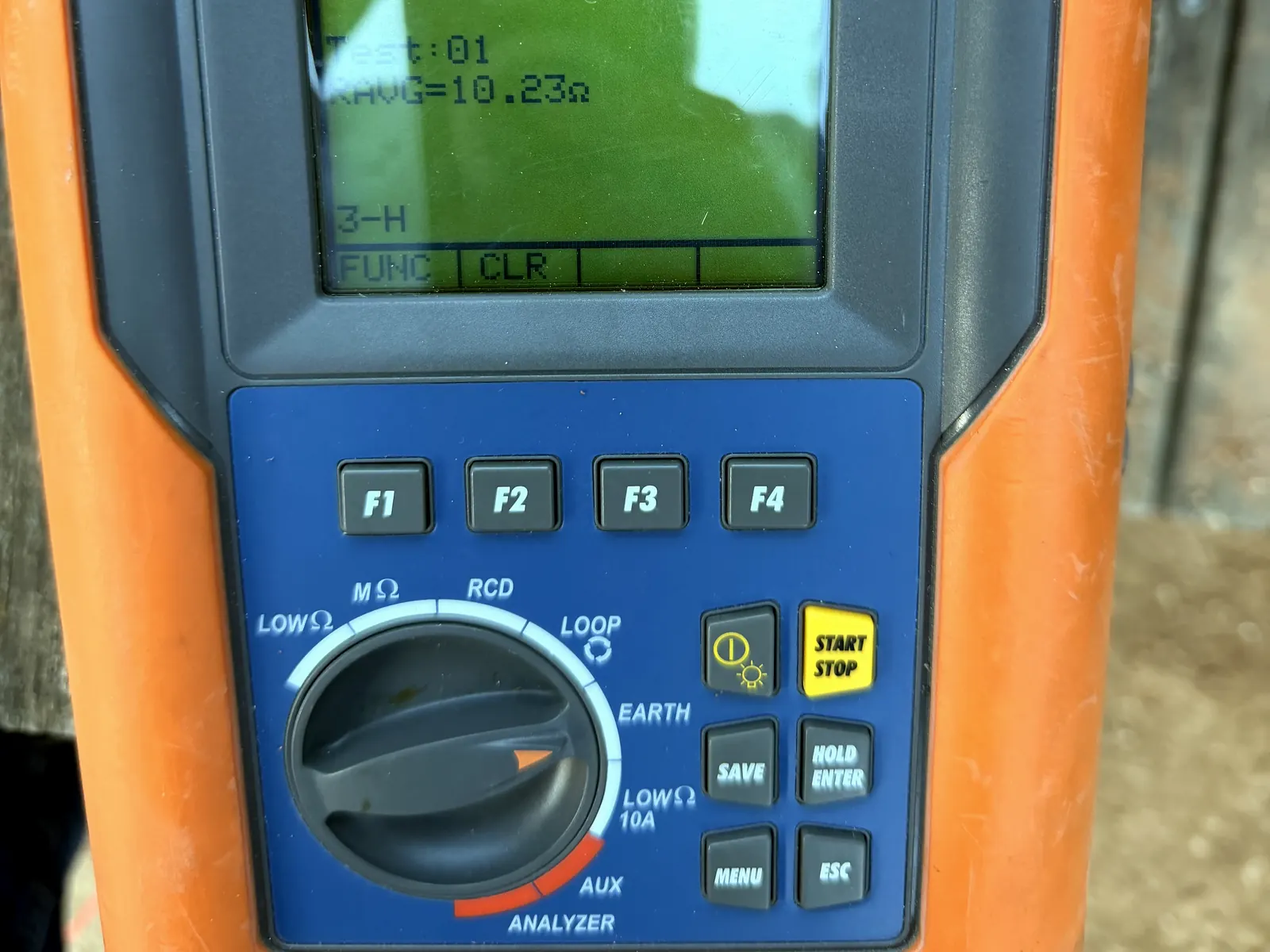
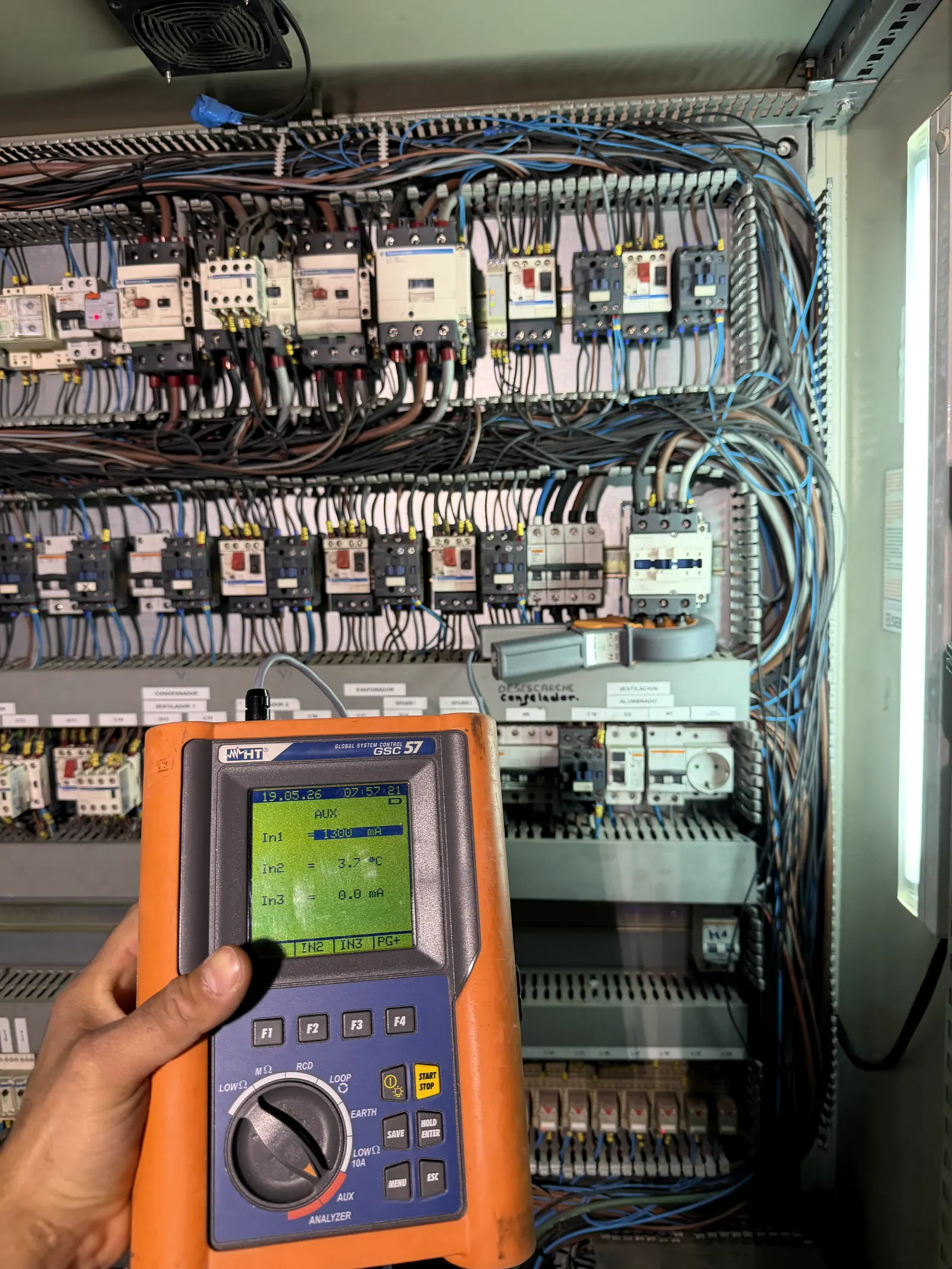
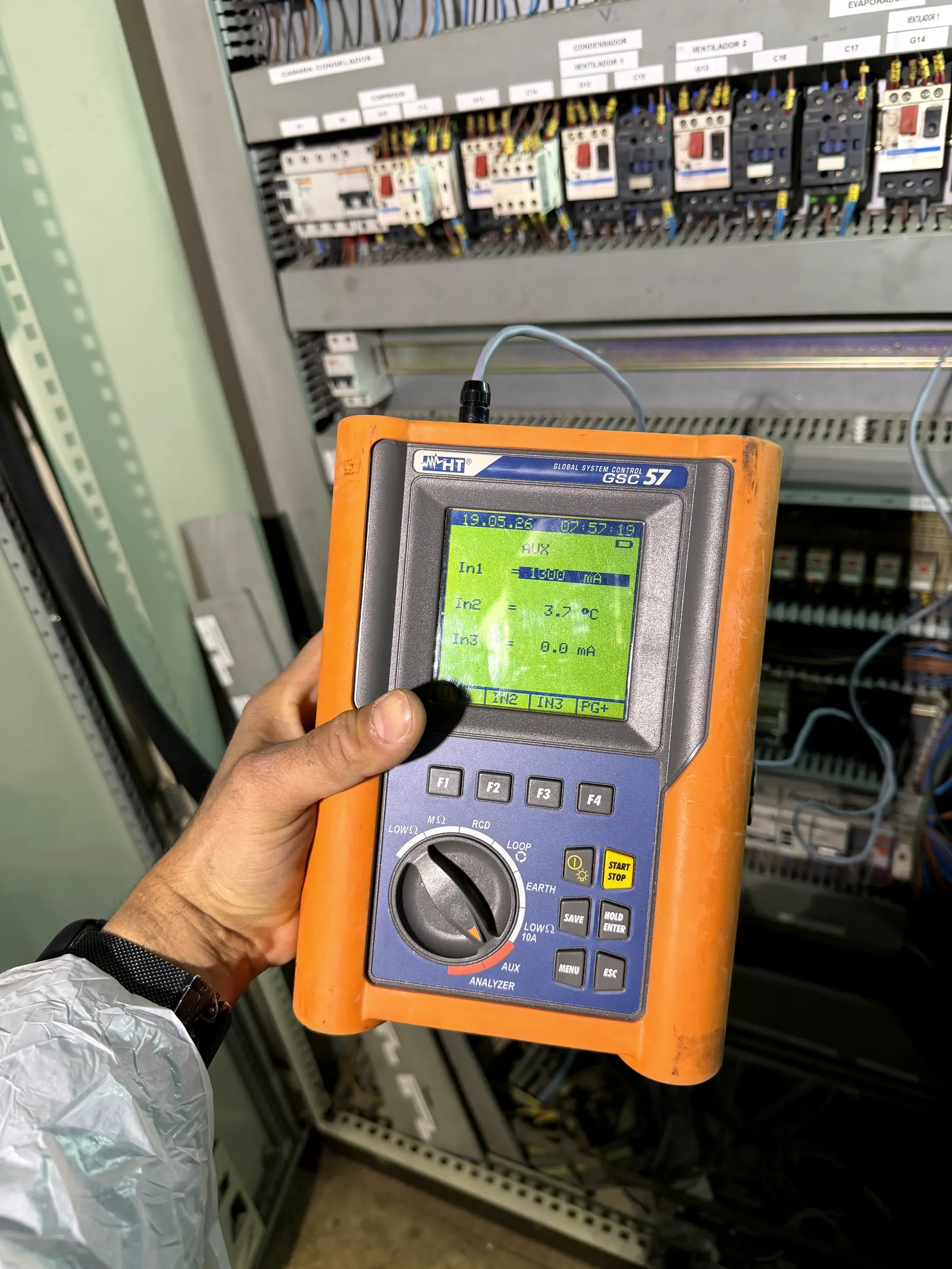
For regulatory measurements we use multifunction installation testers which, in a single device, measure earth resistance, continuity of protective conductors, insulation, loop impedance and RCD operation, and store the results for the report.
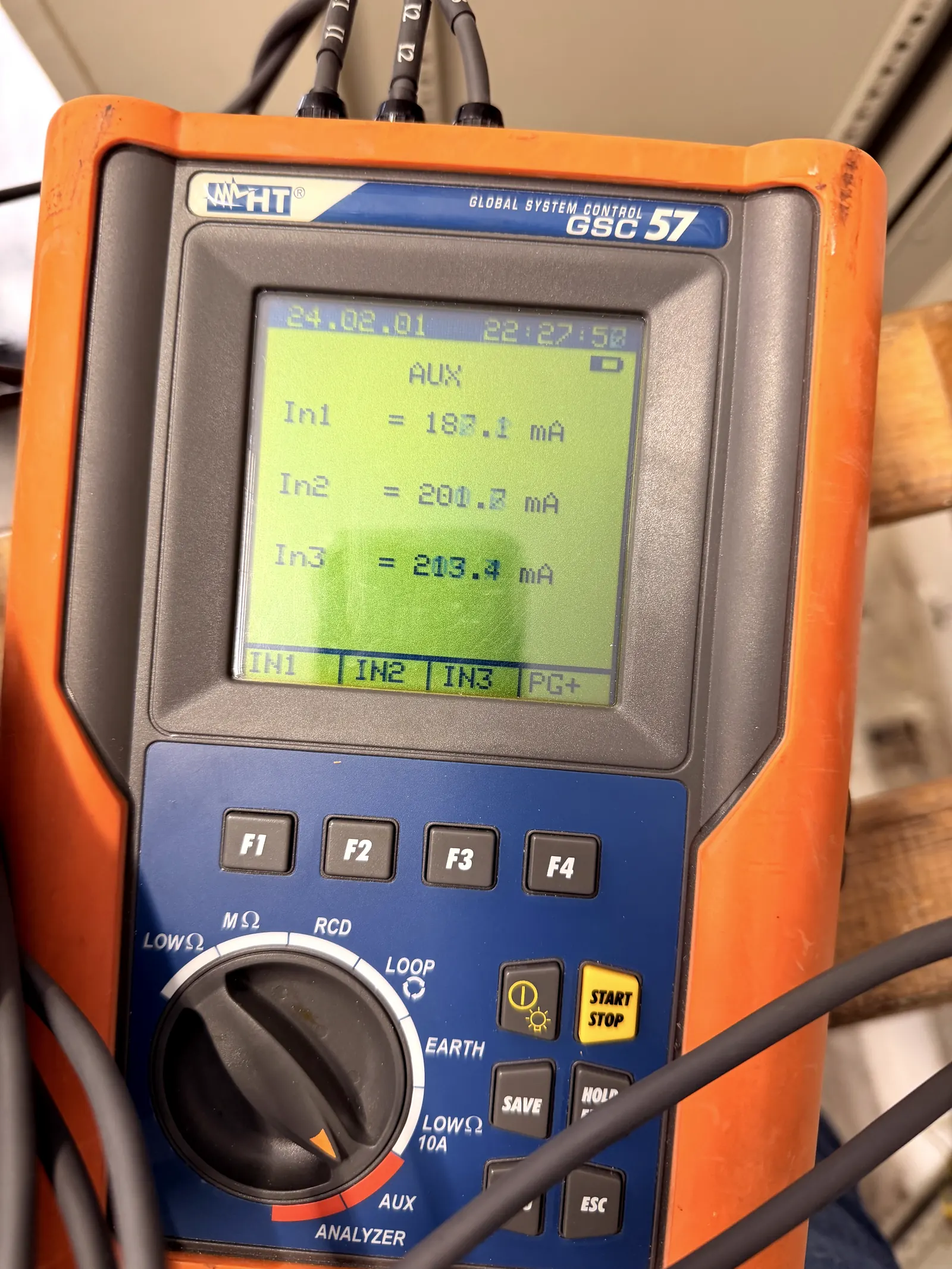
1. Earthing
The earth connection is what allows the current to flow to earth and the RCD to trip if an appliance develops a fault, instead of passing through a person. We measure its resistance and the continuity of the protective conductors right up to the exposed metal parts of the equipment. If the earth resistance is too high, a fault can raise the exposed metalwork to a dangerous touch voltage before the protection operates. A broken protective conductor leaves that metalwork unprotected.
2. Loop impedance
This measures the opposition the current meets in the fault circuit. It is used to check that, if there is a short circuit (or, in installations with a TN system, an earth fault), enough current will flow for the protection to trip within the required time. Installations supplied from the public low-voltage network use a TT system: in these, an earth fault is cleared by the RCD. It is especially important on long runs, such as those feeding machinery at the far end of an industrial unit.
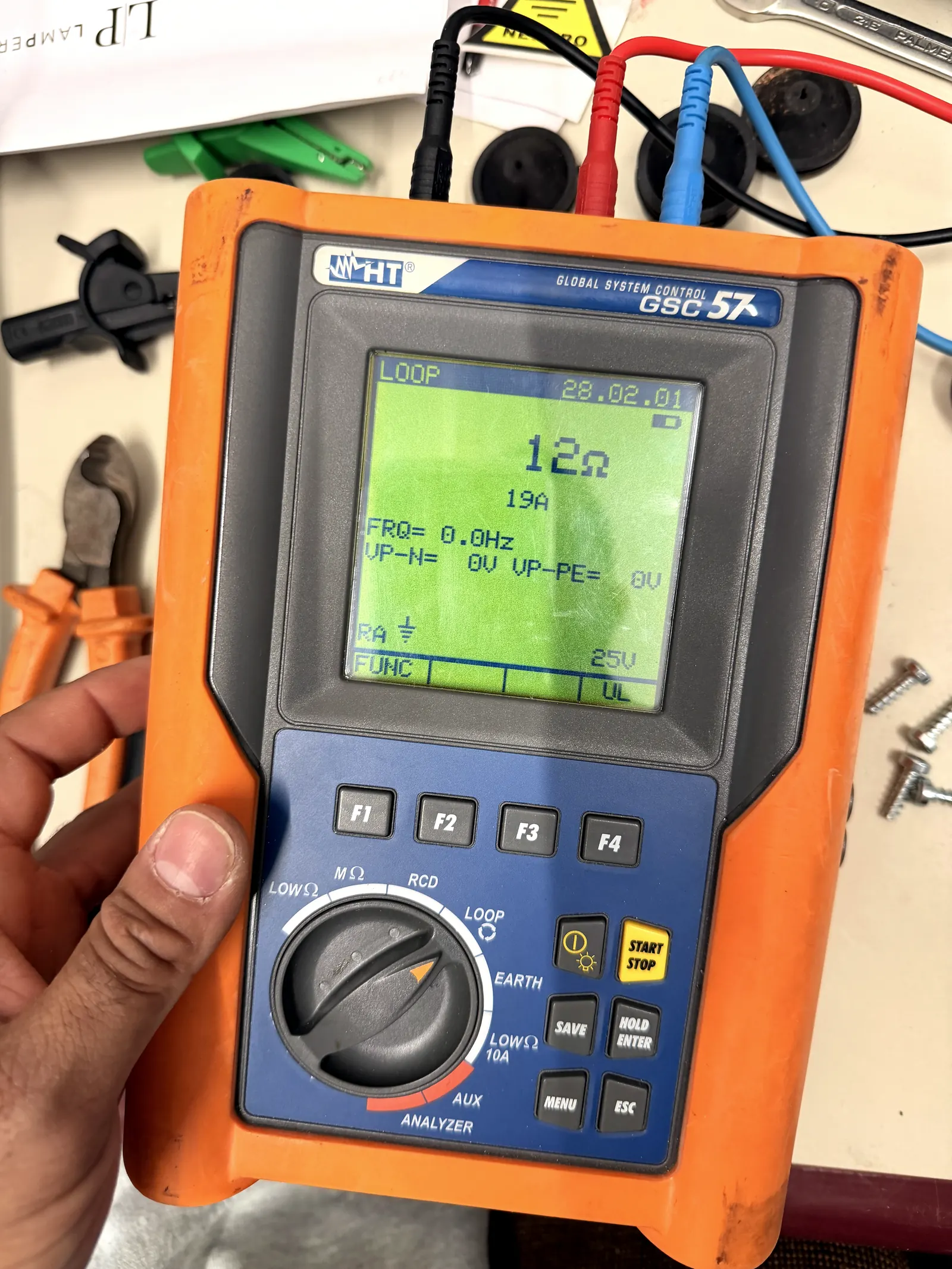
3. RCDs
We check that each RCD trips at the leakage current it is designed for and within the correct time. The test button only checks the mechanism; measuring with the tester confirms that it really protects.
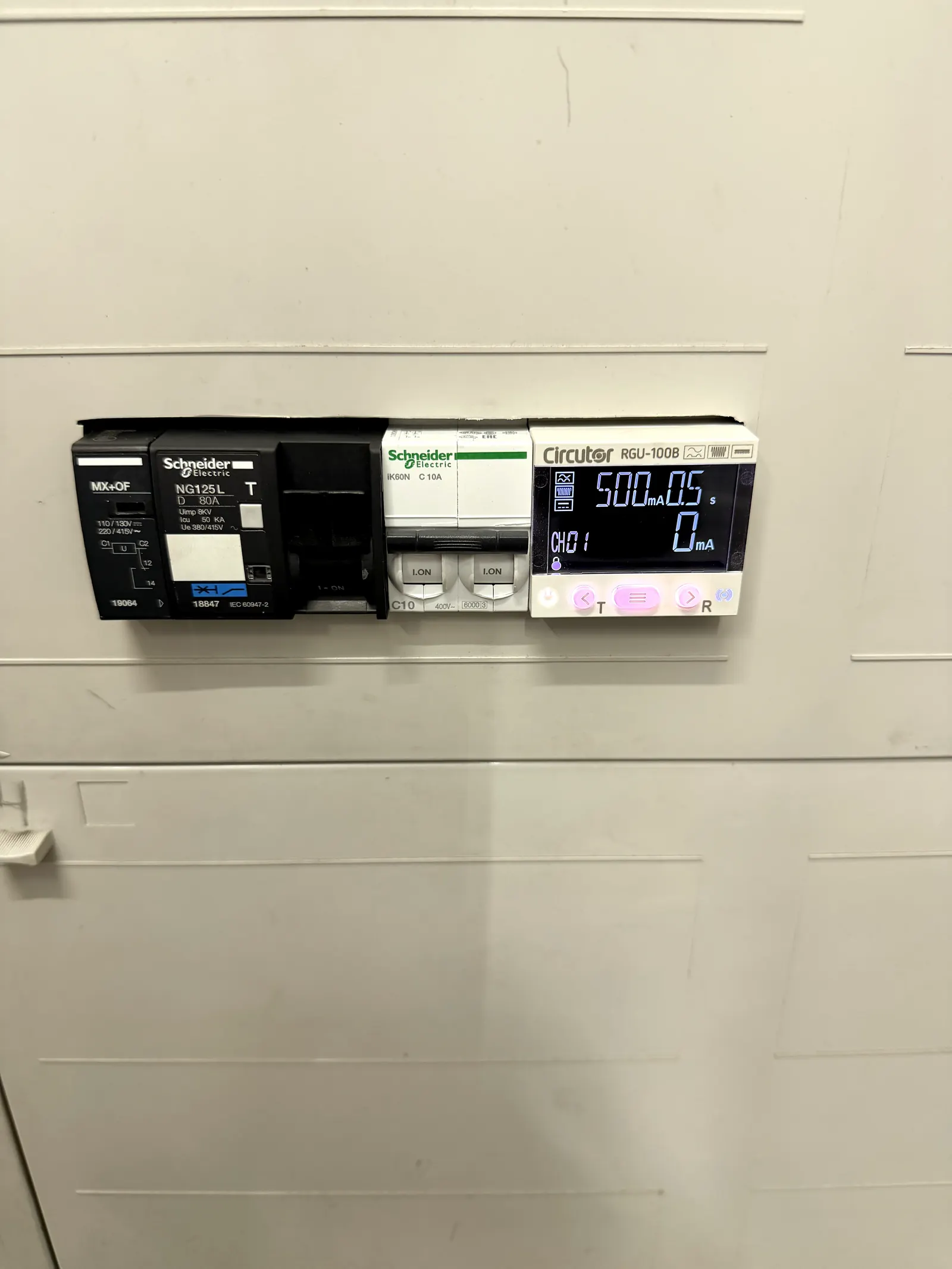
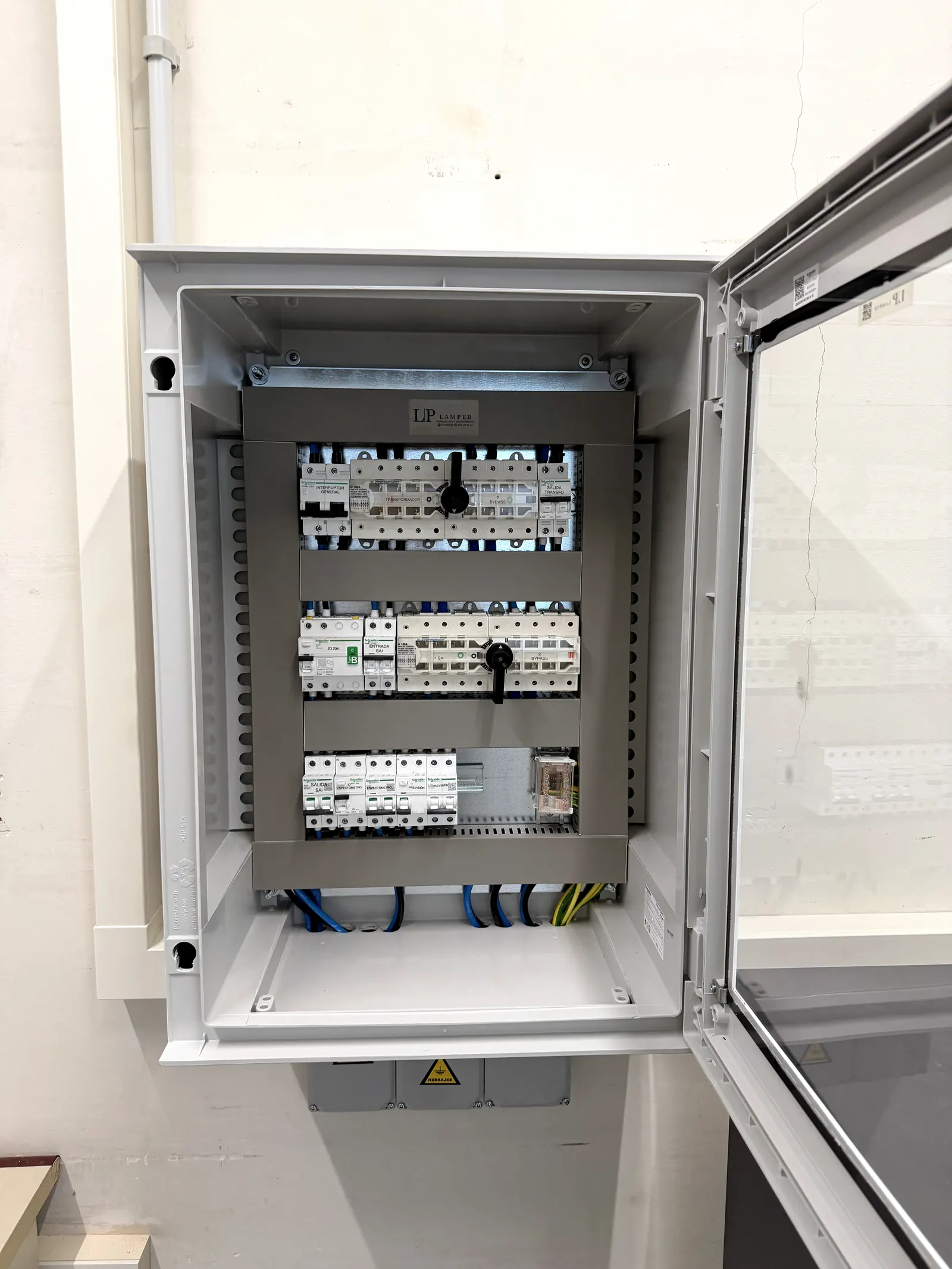
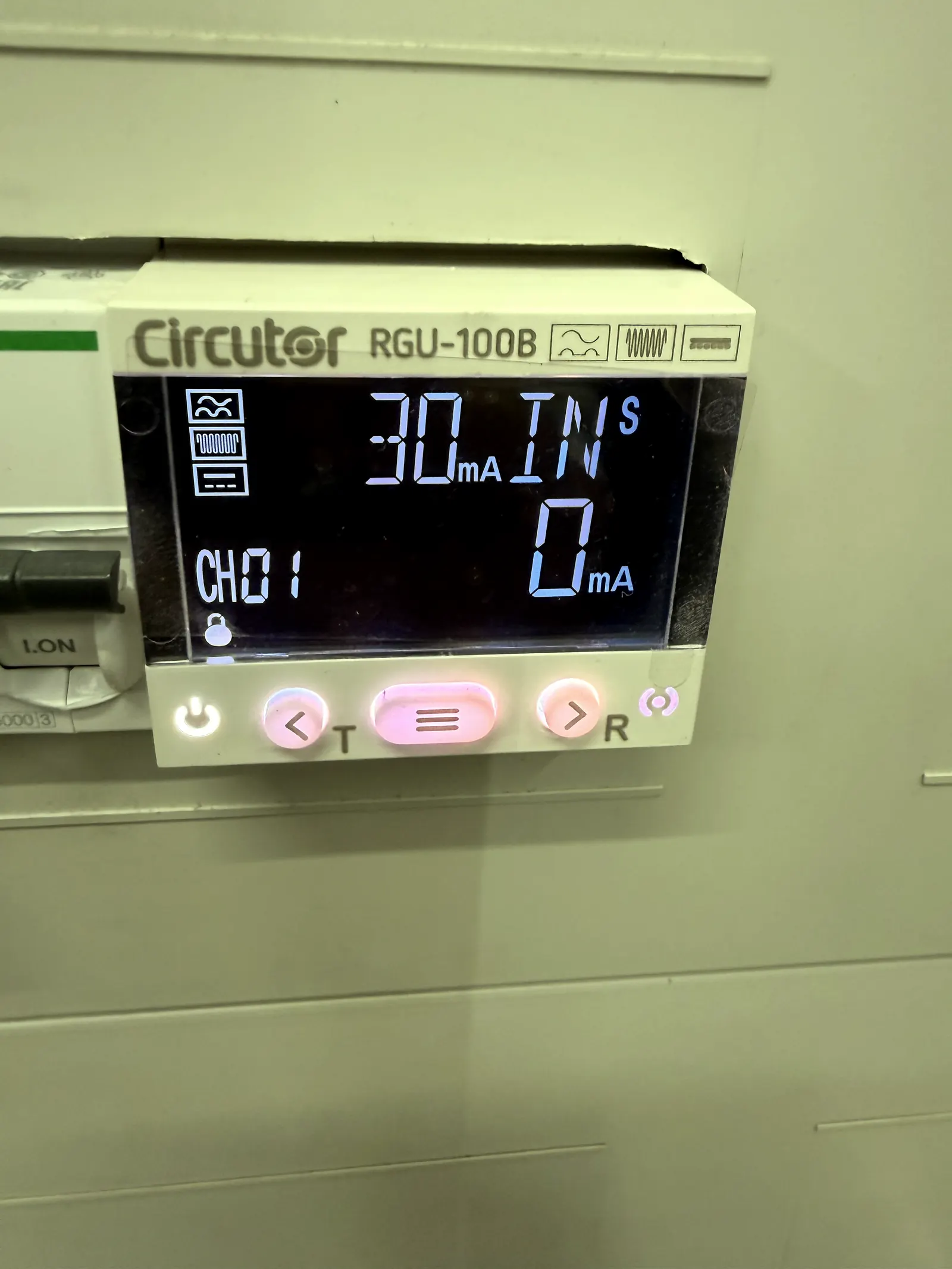
In industrial installations we often use RCD relays with a toroidal transformer and display, which show the circuit's leakage in milliamps at all times. That way you can see whether a line is approaching the limit before the RCD trips and stops production.
4. Insulation
The insulation test detects cables and loads whose insulation has deteriorated due to heat, damp, abrasion or ageing. It is carried out with the power off and with sensitive loads disconnected, because the tester applies a test voltage that can damage them. It is the measurement that helps most when the RCD trips for no apparent reason. If this happens to you, try our assistant to find out why your RCD keeps tripping.
5. Measurements under load
With the installation running, we measure the current on each phase with a clamp meter, the balance between phases and, if needed, power quality with an analyser. This tells you whether a line is at its limit before you add more machinery.
How often to test
The Spanish Low Voltage Electrotechnical Regulation sets out which installations must undergo periodic inspections by an inspection body (we explain it in this guide to periodic inspection). Beyond the legal requirement, testing before an extension, after a major fault or as part of a preventive maintenance plan avoids surprises.
What we do at Lamper
We carry out the measurements, give you the results explained in plain language and, if something isn't right, propose a solution with a quote. If you would like us to check your installation, ask us for a quote.
This article is for general information. The required values depend on each installation and the applicable regulations; testing must be carried out by qualified professionals.