Blog ·
How to recognise a well-built electrical panel: a visual guide with real photos
Labelling, tidy wiring, busbars, correctly set protection devices and spare capacity. What to look at when you open a panel to know whether it's well built, with photos of real panels assembled by our team.
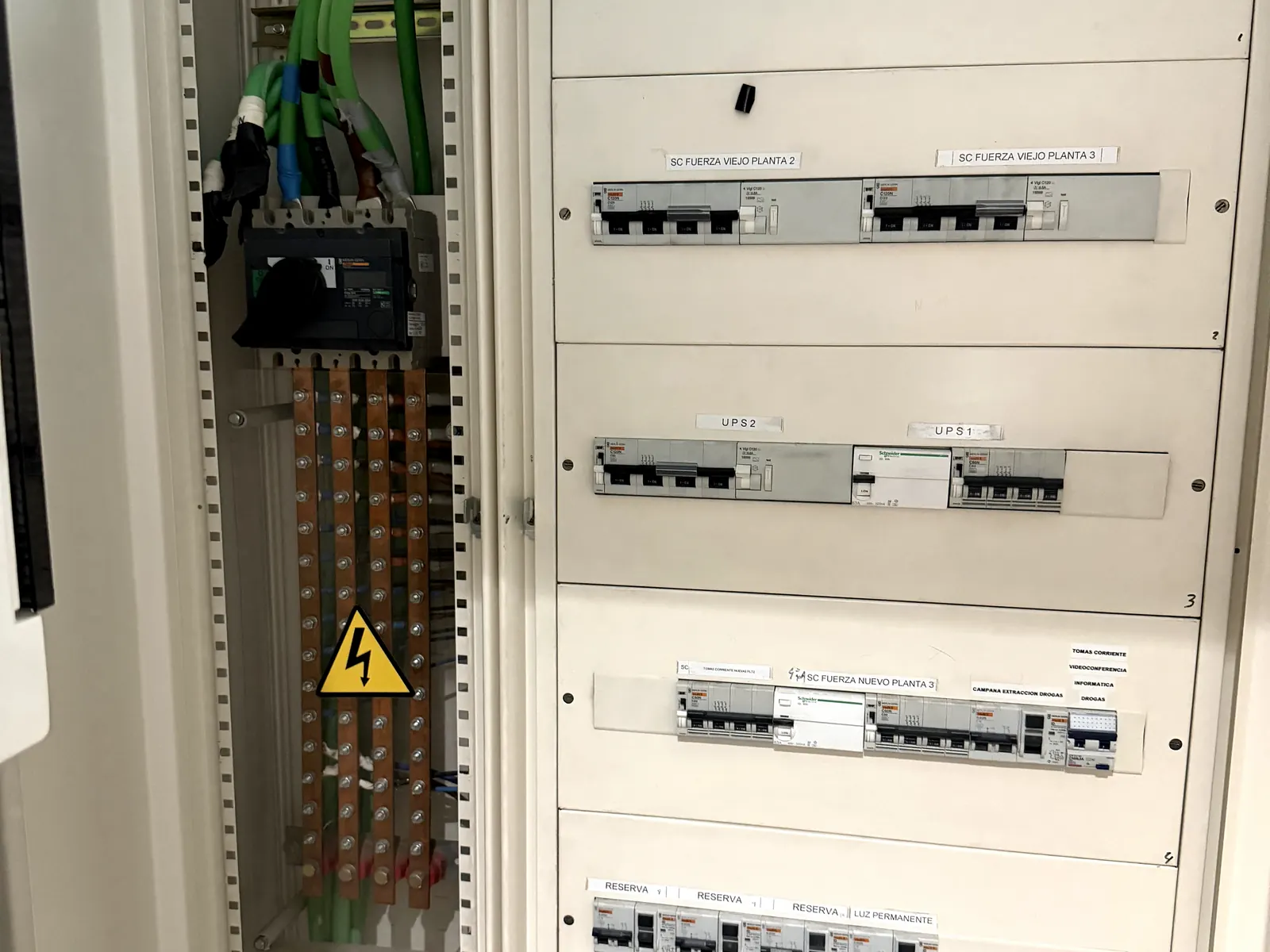
An electrical panel is built once and opened for decades: to extend it, to trace a fault, to inspect it. That is why the quality of a panel isn't visible on the day it is handed over, but every time someone has to work on it. These are the things we look for, with examples of panels built by our team.
1. Everything is labelled
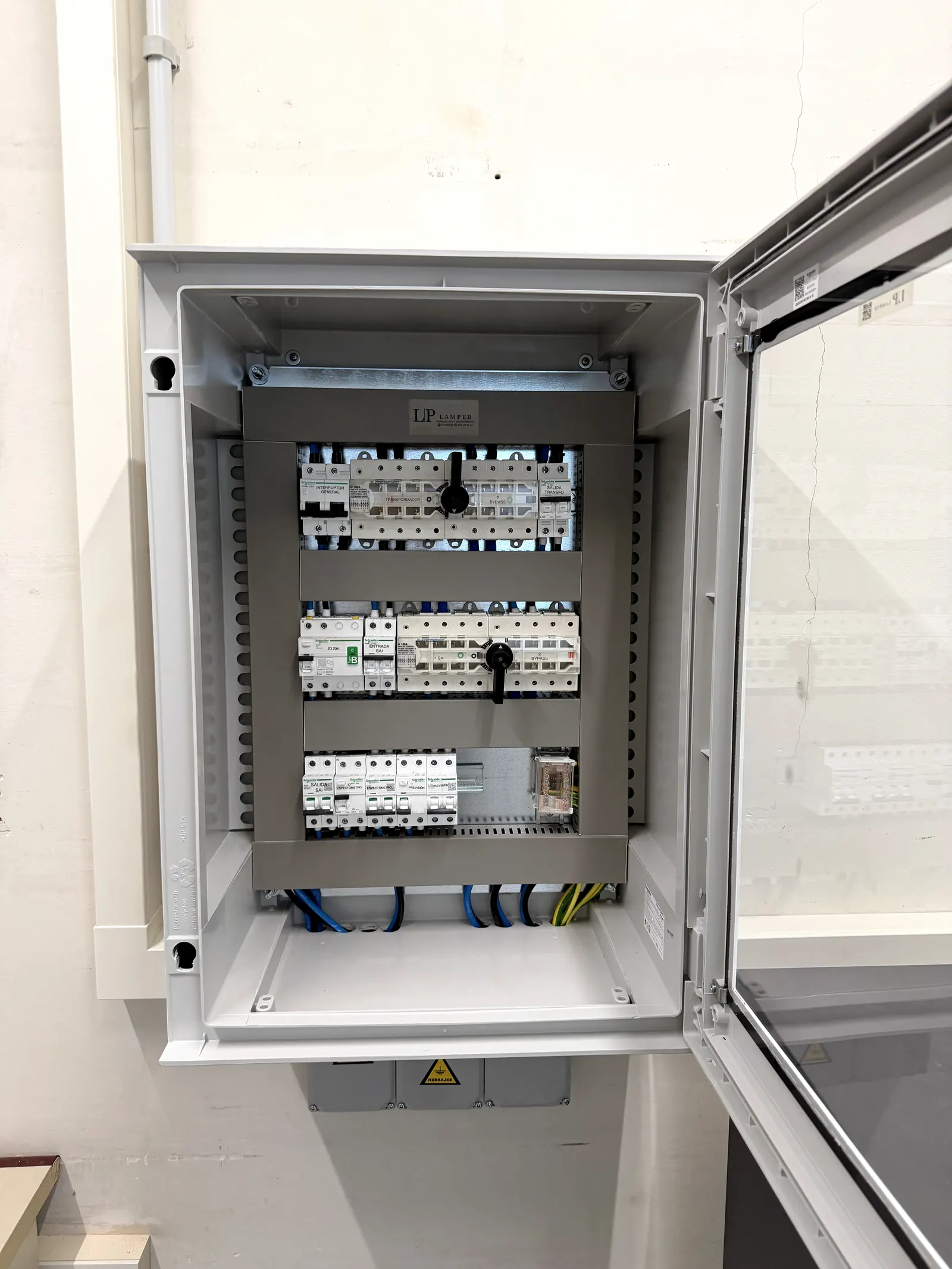
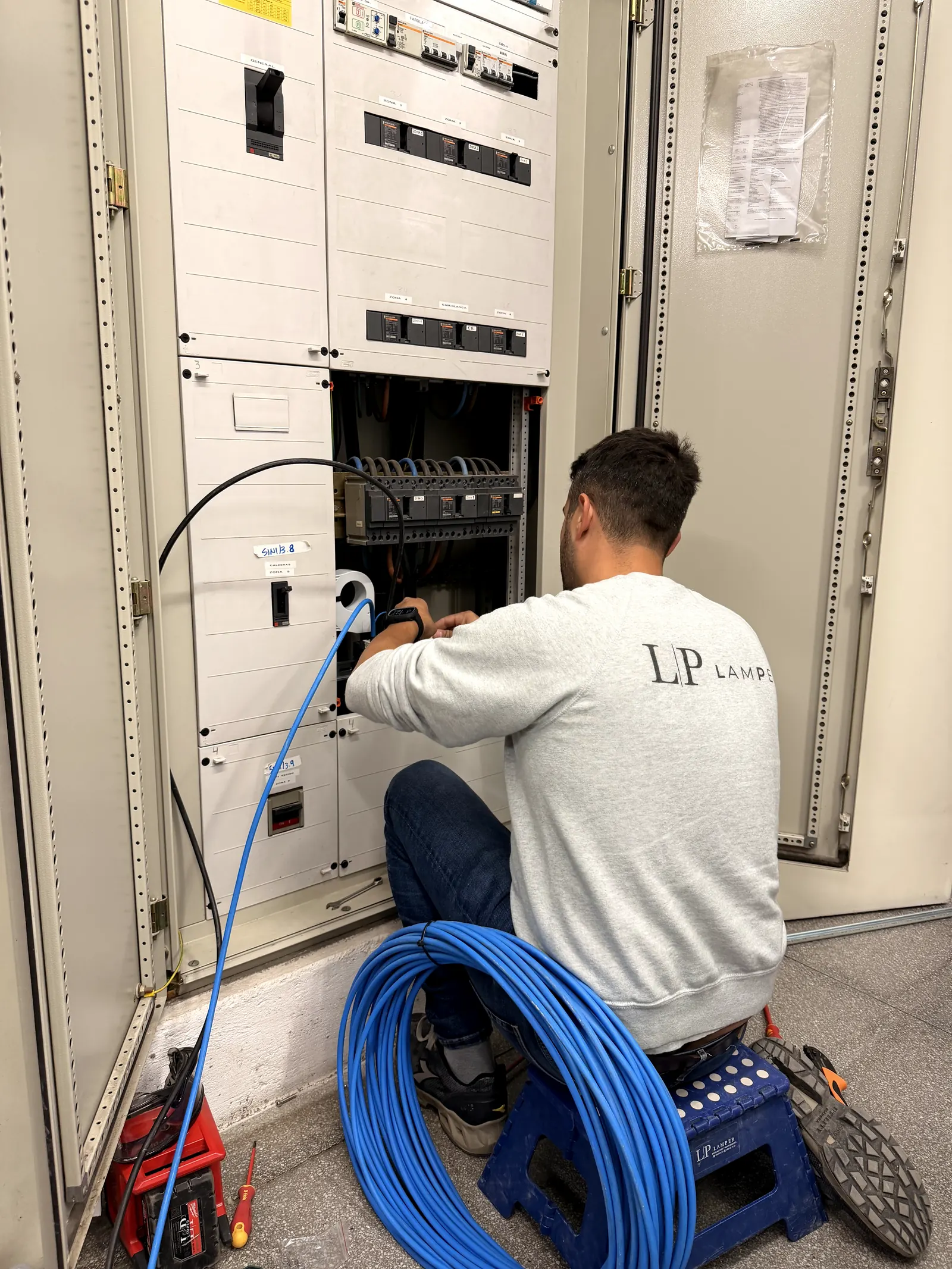
Each protective device has a label saying what it supplies: not “line 3”, but the floor, the machine or the service. When something trips, you know immediately what has gone off; when a circuit has to be isolated for work, there is no guesswork.
2. The wiring is tidy
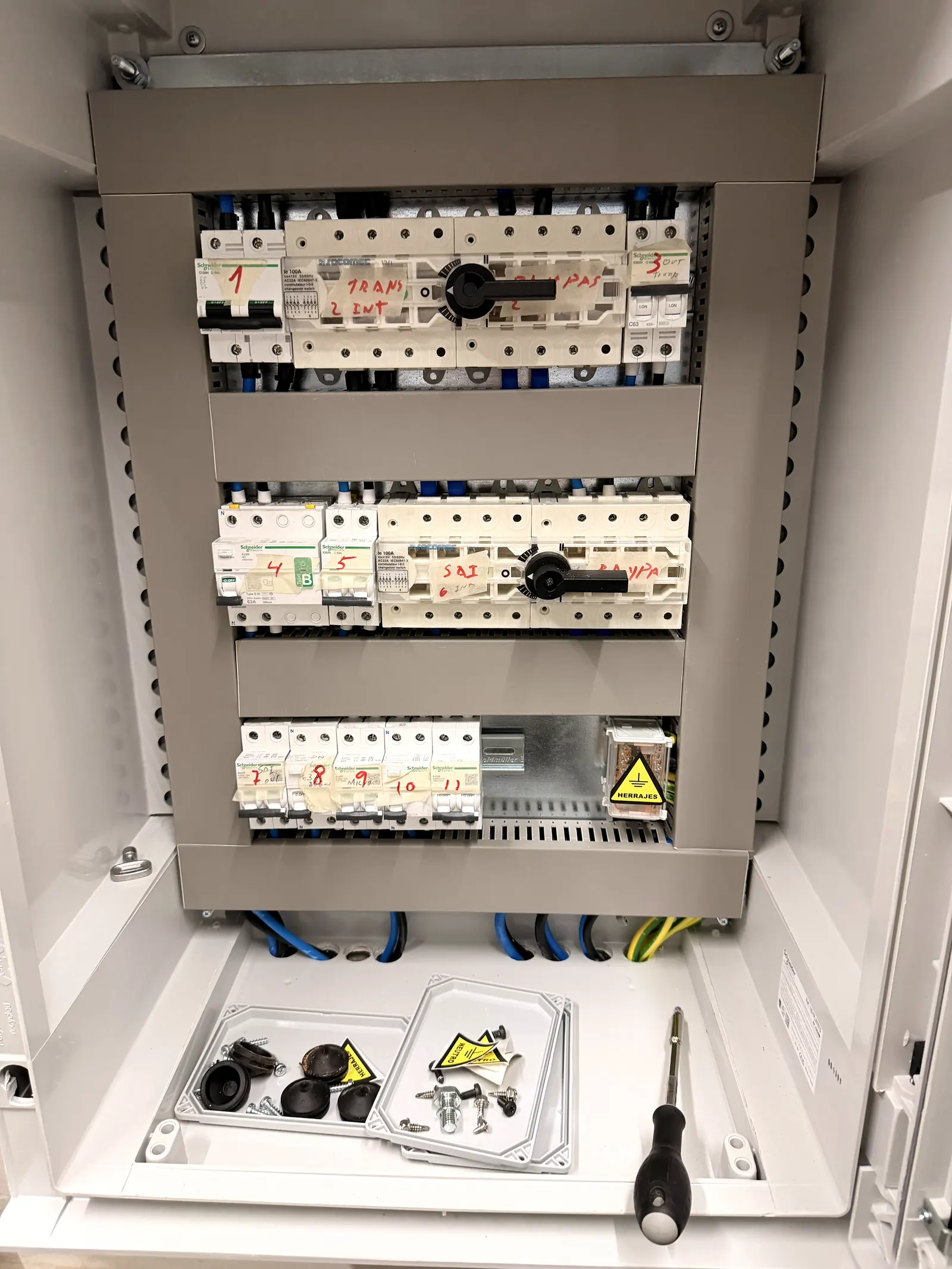
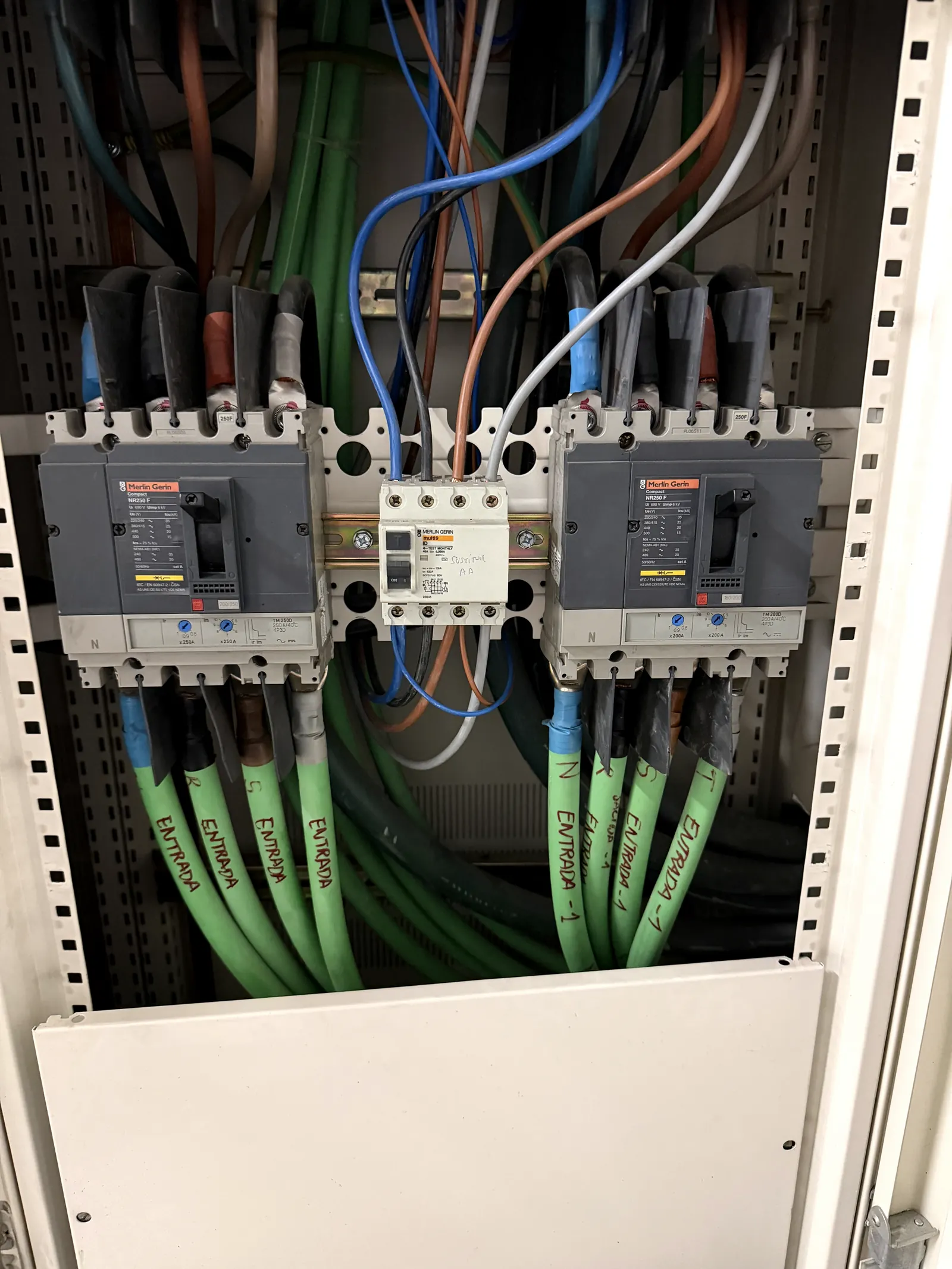
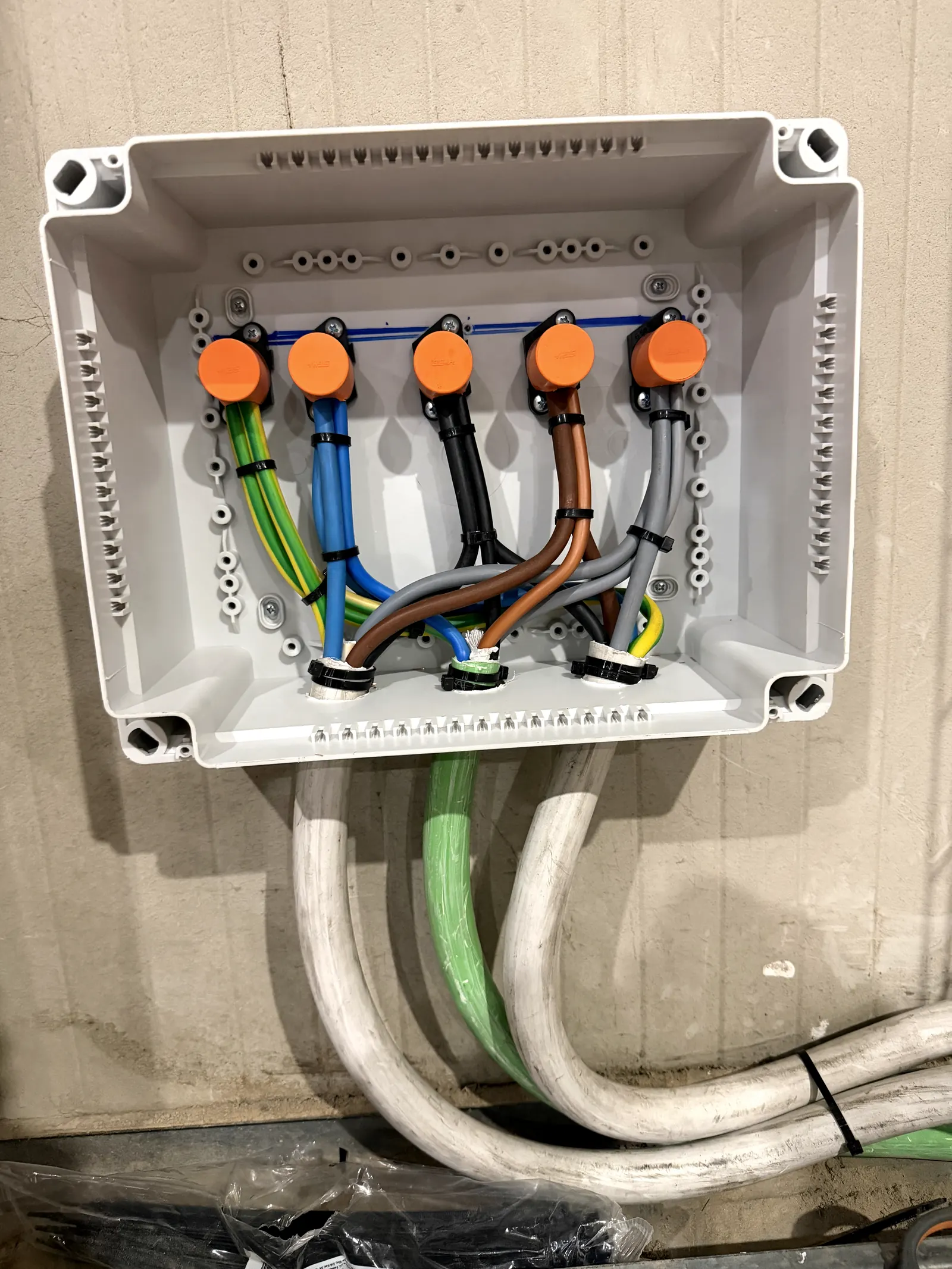
Cables neatly run through trunking, with the correct cross-section and colour, properly crimped terminals and no cables crossing in front of the devices. Tidy wiring is easier to inspect, runs cooler and lets you see at a glance whether anything has been tampered with.
3. Correctly sized busbars and protective devices
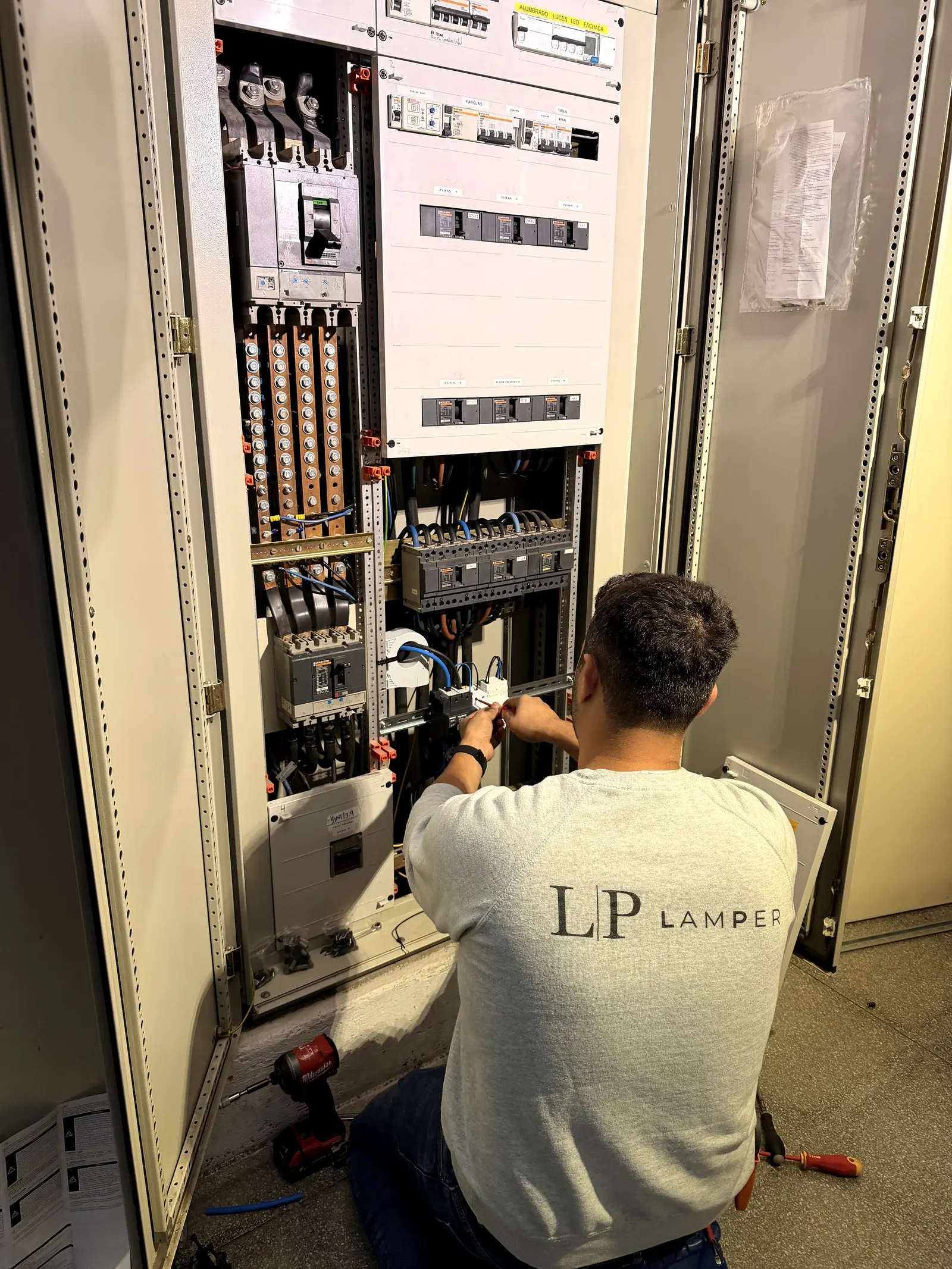
In main switchboards, distribution is done with touch-protected copper busbars, from which the protective devices for each line are fed. The cover photo shows the outgoing feeders to the different floors, to the UPS units and the spare ways, all labelled.
4. Protection set to the actual load
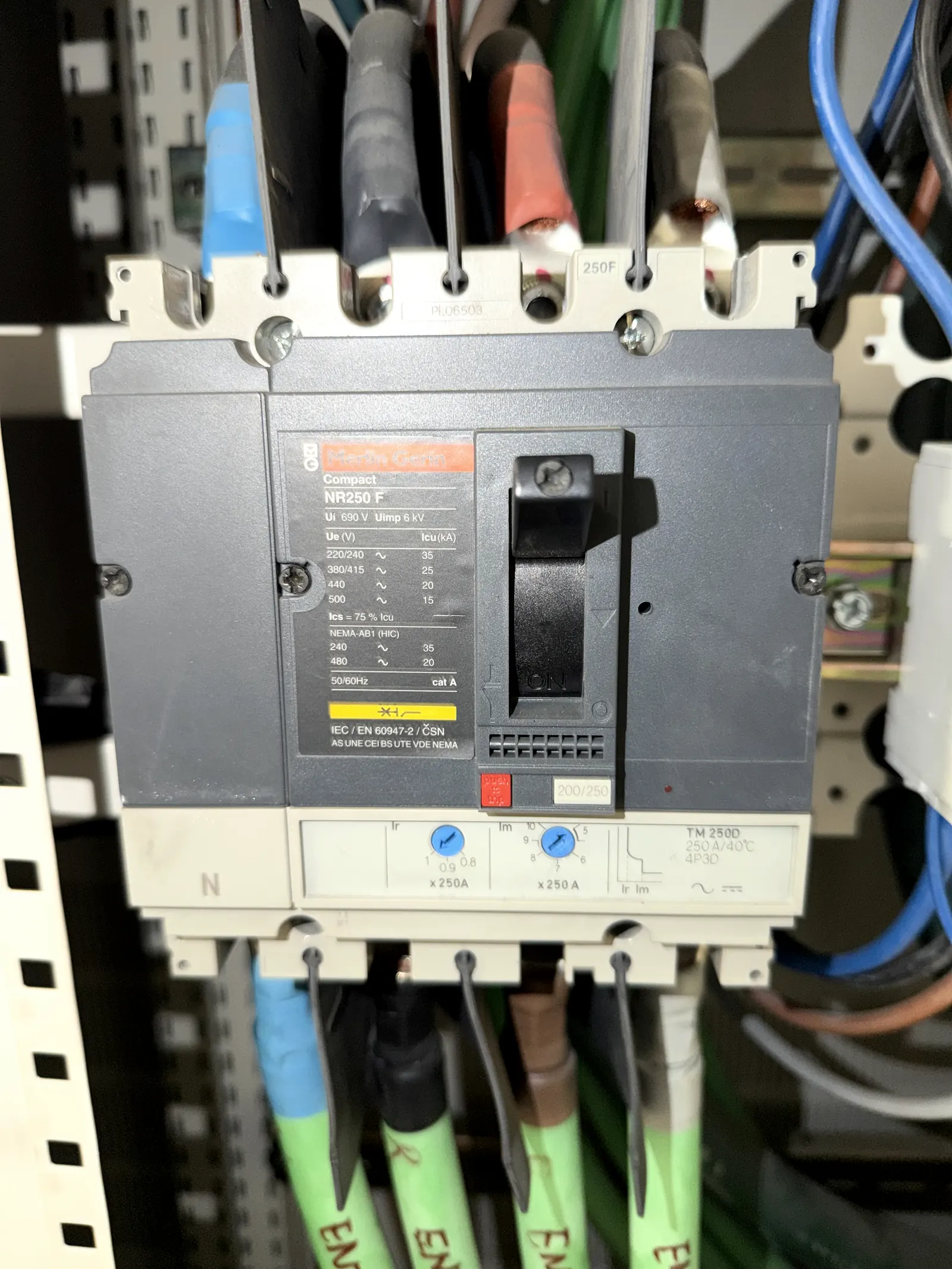
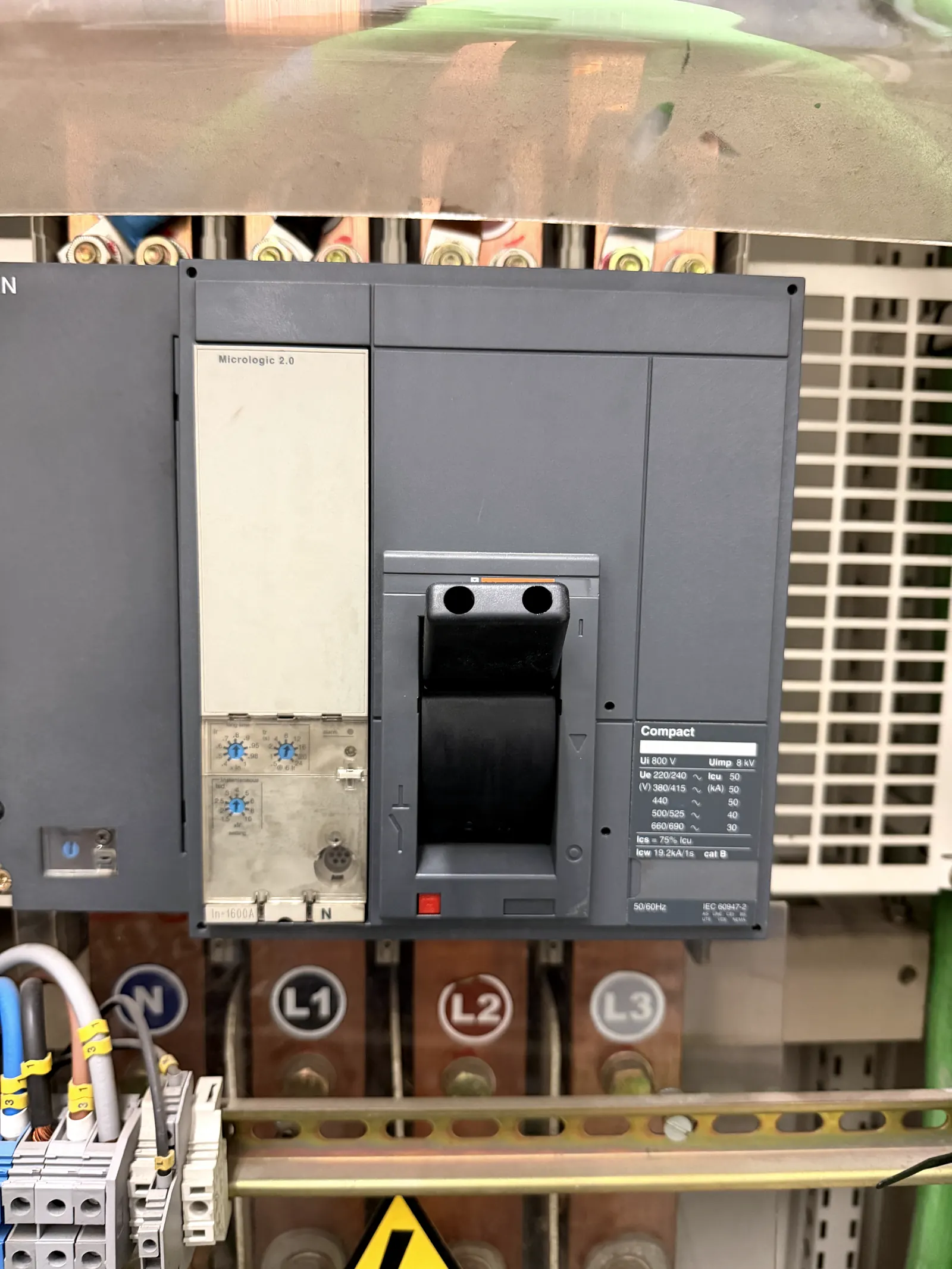
Moulded case circuit breakers with an electronic trip unit allow the protection to be set to the line's actual current and coordinated with the downstream protective devices. Correctly set, they achieve selectivity: if there is a fault on one line, only that line's protection trips, not the main breaker for the whole building.
5. Spare capacity
A well-built panel leaves space and spare protective devices for future extensions. Filling the panel to 100% on day one means installing another panel next to it at the first extension.
6. Proper connections outside the panel
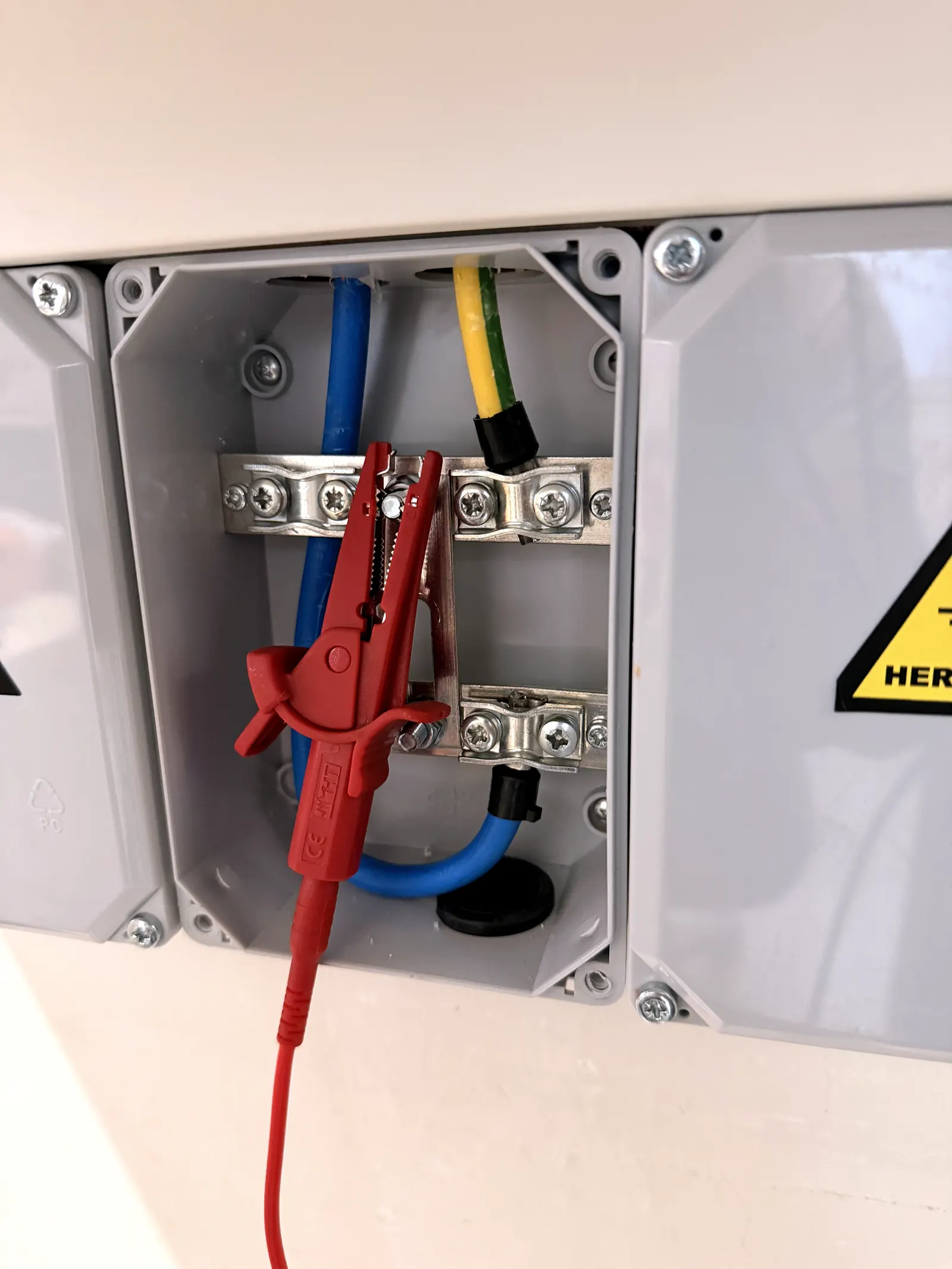
Junction and connection boxes count too: suitable terminals, identified conductors and boxes closed with the right IP rating.
7. Documentation on the door
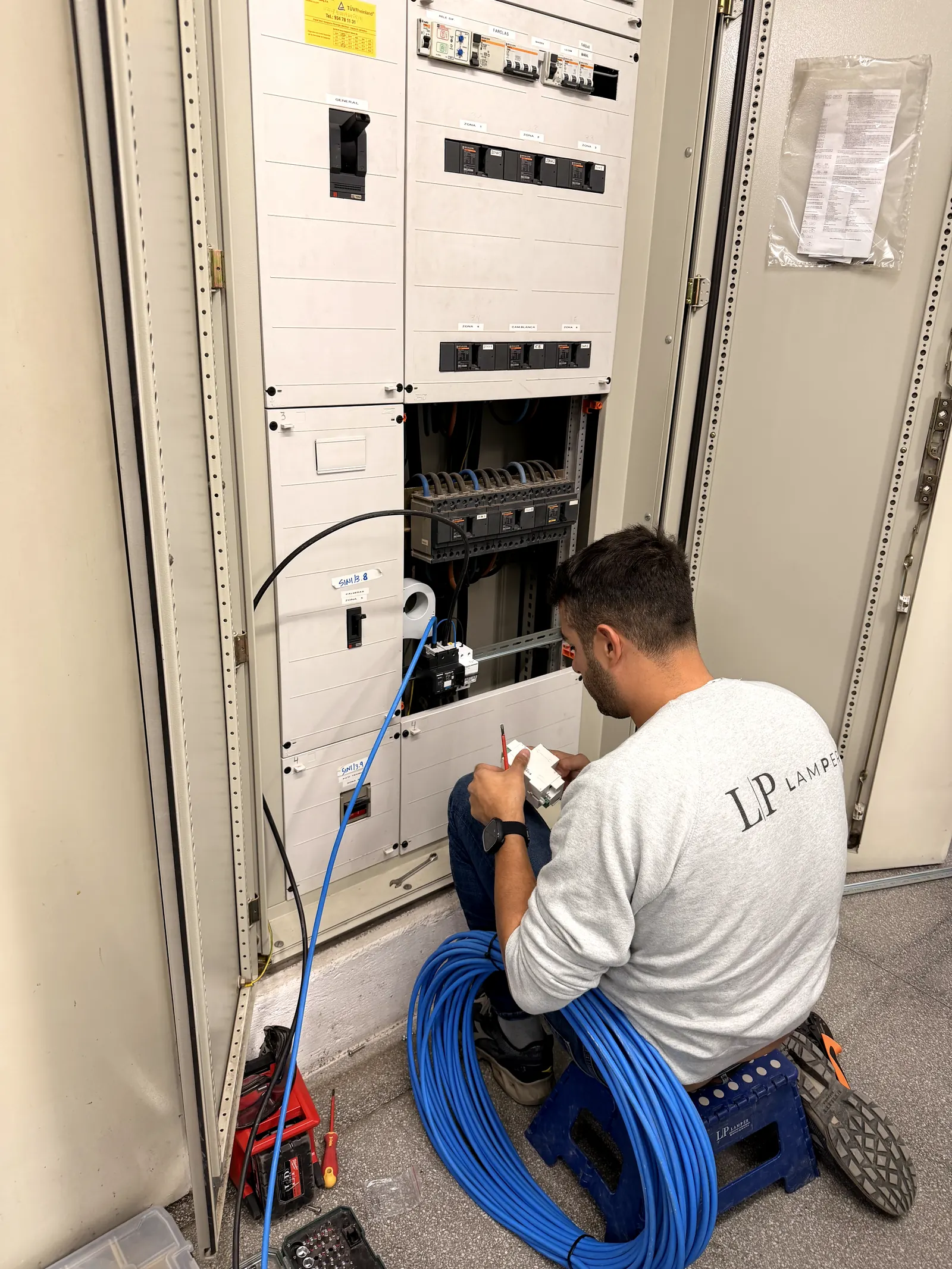
The up-to-date diagram, inside the panel. If the technician has the diagram to hand on the day there is a problem, the fault gets fixed sooner. The installation photos show the document pocket on the cabinet door.
What if my panel doesn't look like these?
If, when you open your panel, you see unidentified cables, unlabelled protective devices, splices inside the panel, heat marks or a panel so full there's no room for anything else, it's a good time for a check. We cover the warning signs in this article.
What we do at Lamper
We design, build and refurbish main, sub-distribution and machine panels: labelled, documented and with room to grow. See more real jobs or ask us for a quote.